November 5, 2026
Protecting your property during tree services is essential for minimizing risks, preventing damage, and maintaining a safe environment. Trees contribute significantly to landscape aesthetics, property value, and ecological balance, but their maintenance and removal present unique challenges. Falling branches, heavy equipment, and unstable trees can threaten nearby structures, landscaping, and personal belongings. Understanding these potential hazards allows homeowners to take appropriate precautions before work begins. This article explores practical strategies for safeguarding your property, selecting qualified professionals, and ensuring successful project completion.
Understanding Potential Tree Maintenance Hazards
The first step in protecting your property during tree services involves identifying potential hazards. Large branches can fall unexpectedly, weakened trunks may collapse, and extensive root systems can affect nearby structures. Improper cutting techniques can also cause trees to fall in unintended directions, potentially damaging buildings, fences, or vehicles.
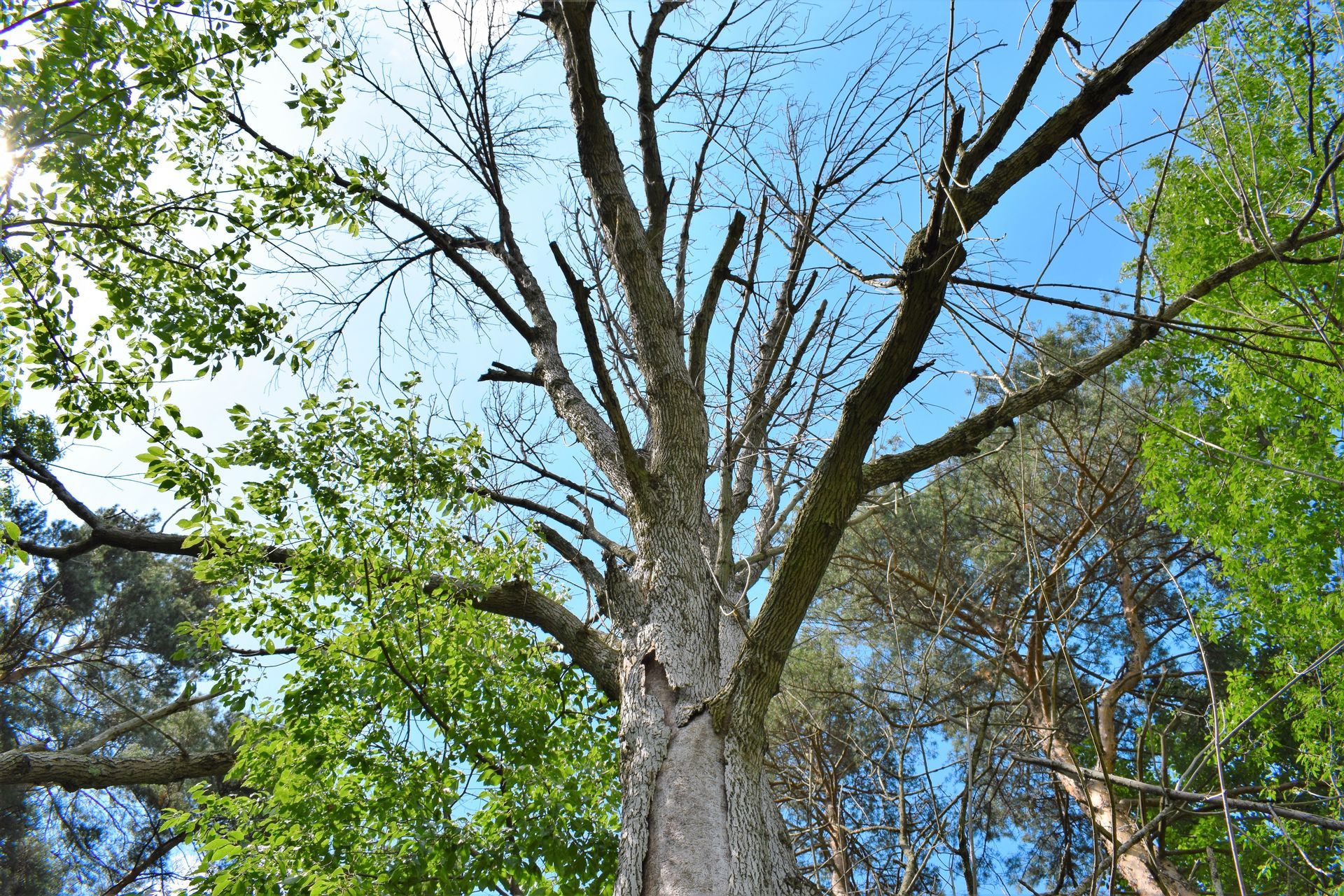
Before beginning maintenance, professionals should inspect trees for structural weaknesses, disease, and pest infestations. Cracks in trunks, decaying branches, and exposed roots may indicate underlying problems requiring specialized attention. Identifying these warning signs allows professionals to determine whether pruning, stabilization, or complete removal is appropriate.
Homeowners should also consider surrounding structures, including garages, sheds, fences, and utility lines. According to Bob Vila, tree location and accessibility can affect removal costs by 25% to 50%. This highlights the importance of evaluating environmental obstacles before scheduling work. Careful planning helps reduce unexpected complications and protects valuable property features.
Evaluating Weather Conditions and Tree Stability
Weather conditions significantly influence the safety of tree maintenance projects. Strong winds, heavy rainfall, lightning, and unstable ground conditions can increase the likelihood of accidents. Scheduling tree services during favorable weather helps professionals maintain better control over equipment and falling debris.
Wet soil can reduce ground stability, particularly when heavy machinery must operate near trees. Additionally, saturated root systems may become less secure, increasing the possibility of unexpected movement. Professional arborists evaluate these conditions before determining whether work can proceed safely.
Consulting a qualified arborist provides additional protection. These specialists assess tree health, identify hidden structural concerns, and recommend appropriate maintenance strategies. Their expertise also helps homeowners understand local regulations, environmental considerations, and potential risks associated with removing mature trees.
Selecting Qualified Tree Care Professionals
Choosing a reputable company is one of the most important decisions homeowners make when arranging tree services. Experienced professionals understand proper cutting techniques, equipment requirements, and safety procedures necessary for protecting surrounding structures.
Before hiring a provider, verify relevant credentials, professional certifications, and insurance coverage. Arborists certified through the International Society of Arboriculture demonstrate specialized knowledge of tree care practices. Homeowners should also request proof of liability insurance and appropriate workers' compensation coverage.
Customer reviews and references offer additional insights into a company's reliability. Look for consistent feedback regarding punctuality, communication, property protection, and cleanup procedures. Requesting references from similar projects can help determine whether a provider has experience managing challenging conditions.
Comparing detailed estimates is equally important. Written quotes should explain the proposed work, equipment requirements, debris removal arrangements, and potential additional charges. Selecting professionals based on qualifications and overall value rather than price alone can reduce costly complications.
Preparing Your Property Before Work Begins
Proper preparation creates a safer working environment and reduces the likelihood of accidental damage during tree services. Homeowners should begin by removing vehicles, patio furniture, gardening equipment, decorations, and other movable belongings from the designated work area.
Fragile landscaping features, outdoor lighting, and decorative structures may require additional protection. Depending on site conditions, professionals might recommend temporary barriers, protective ground coverings, or plywood shielding. These precautions help minimize damage caused by falling debris and equipment movement.
Access routes should remain clear so workers can transport equipment efficiently. Identify underground irrigation systems, drainage components, and other concealed features that could be affected by machinery. Discussing these concerns beforehand allows the crew to develop appropriate protective measures.
Homeowners should also notify neighbors when work could affect shared boundaries, driveways, or nearby outdoor spaces. Clear communication helps prevent misunderstandings and allows everyone to prepare for temporary disruptions.
Establishing Safety Boundaries and Emergency Procedures
Creating clearly defined safety zones is essential when professional tree services involve heavy machinery, elevated work, or falling branches. Temporary fencing, caution tape, cones, and warning signs can help prevent unauthorized individuals from entering hazardous areas.
Children and pets should remain indoors or away from the work site throughout the project. Homeowners should avoid approaching workers while equipment is operating, even when observing from a seemingly safe distance.
Emergency access routes must remain unobstructed. Discuss evacuation procedures, equipment placement, and communication expectations with the crew supervisor before operations begin.
Workers should wear appropriate personal protective equipment, including helmets, gloves, eye protection, hearing protection, and suitable footwear. Additional protective equipment may be necessary depending on the tasks involved. Establishing these precautions supports worker safety while reducing risks to surrounding property.
Ensuring Proper Equipment Operation and Communication
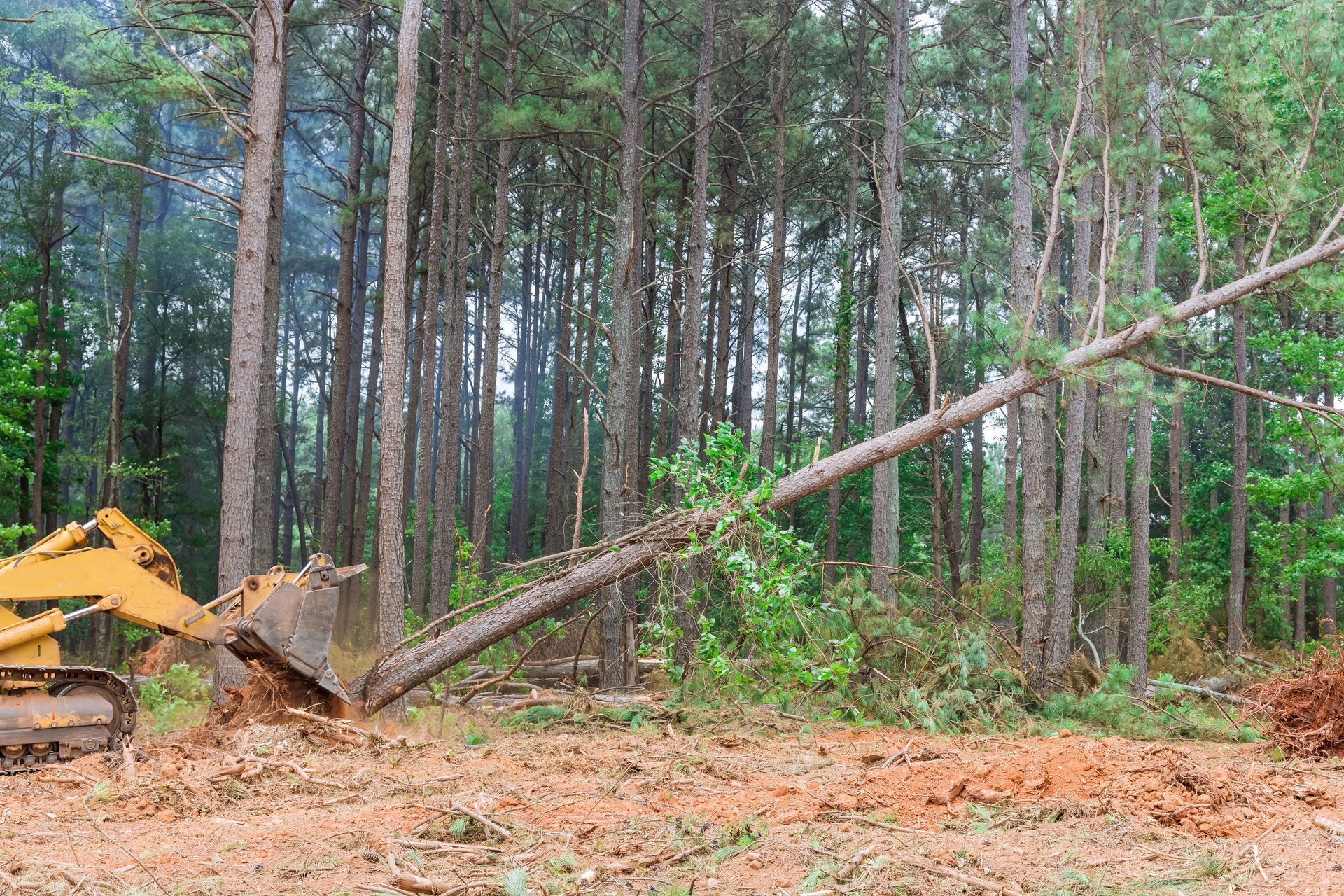
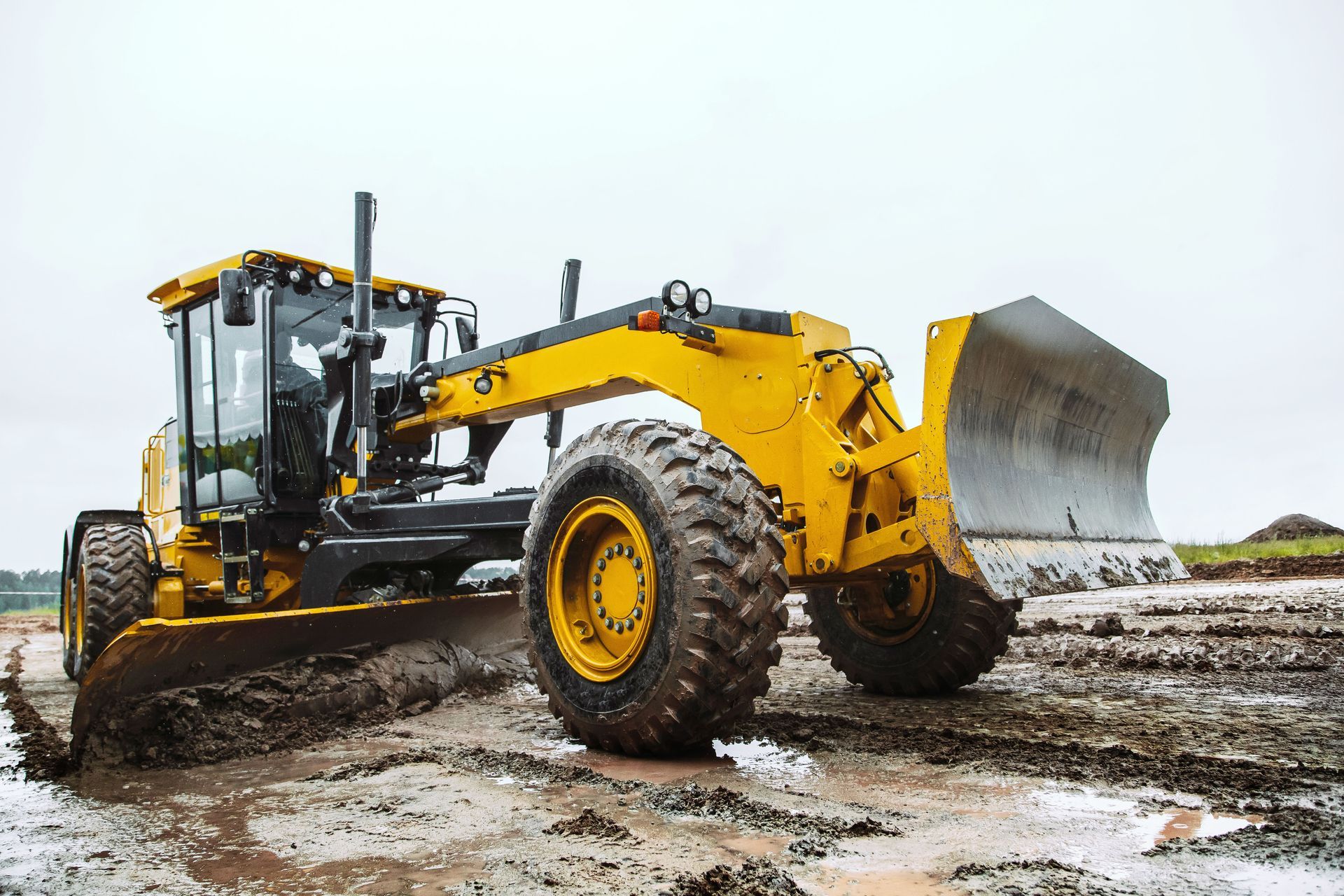
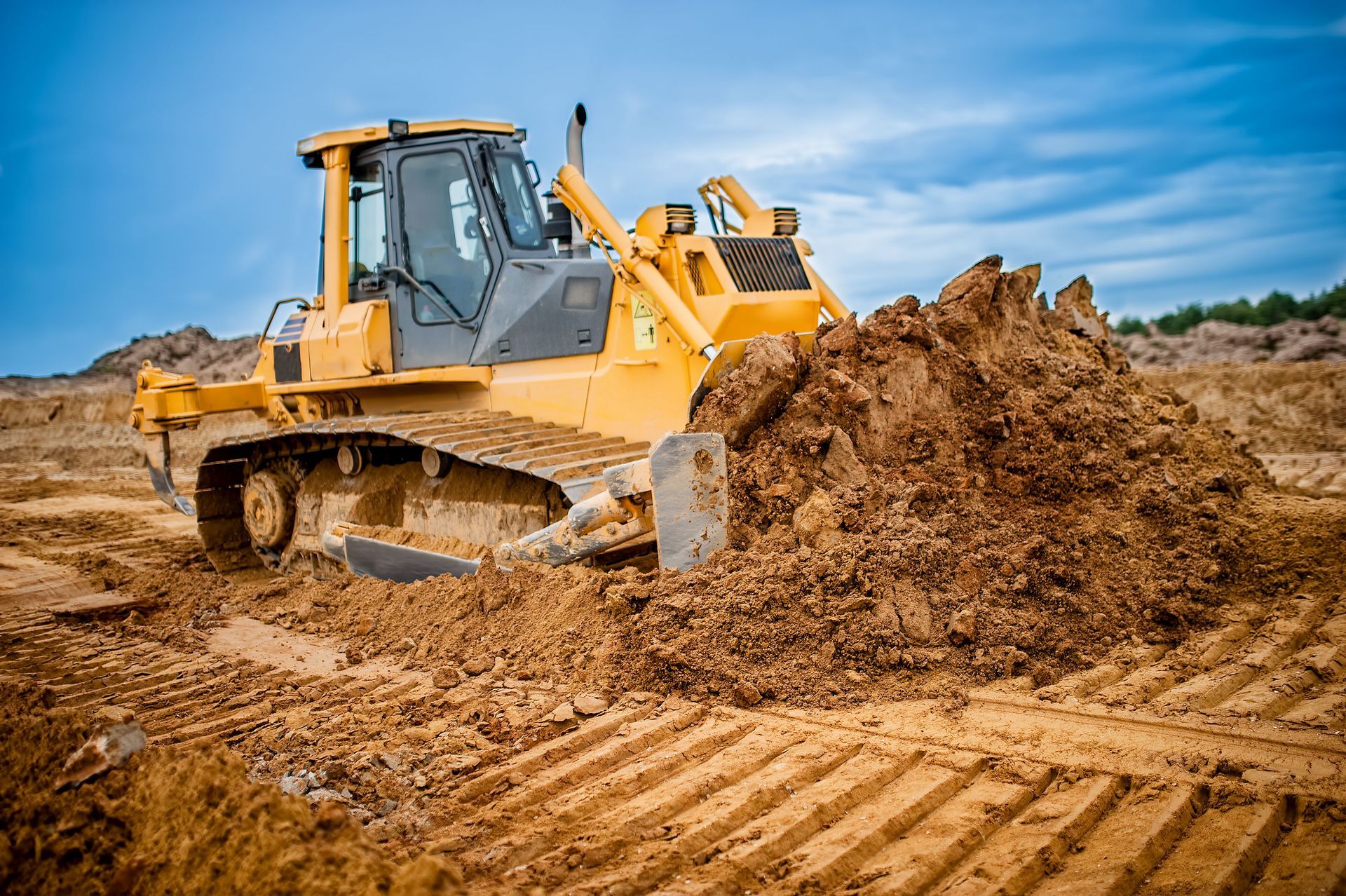
Professional tree maintenance often requires specialized equipment, including chainsaws, wood chippers, aerial lifts, ropes, and cranes. Each tool must be properly maintained and operated by trained personnel to minimize mechanical failures and unexpected hazards.
Equipment selection should reflect the tree's size, location, and structural condition. For example, trees positioned near buildings may require controlled sectional removal rather than conventional felling techniques. Specialized rigging systems can help workers lower branches safely without damaging nearby structures.
Effective communication between homeowners and contractors is equally important. Before work begins, establish a primary contact person who can provide updates and address concerns.
During operations, supervisors should continuously monitor changing conditions and adjust procedures when necessary. Maintaining clear communication allows professionals to respond quickly to unexpected obstacles while keeping the project organized and efficient.
Monitoring Progress and Addressing Unexpected Concerns
Although homeowners should remain outside restricted work zones, staying informed throughout tree services helps ensure expectations are met. Regular communication with the crew supervisor provides opportunities to discuss progress, schedule adjustments, and unexpected discoveries.
If workers identify additional tree damage, unstable branches, or previously hidden obstacles, request an explanation before authorizing substantial changes to the original project. Understanding the reasons behind recommended adjustments helps homeowners make informed decisions.
Documenting property conditions before and after maintenance can also be beneficial. Photographs of fences, landscaping, driveways, and nearby structures establish a useful reference if questions arise regarding accidental damage.
Any concerns should be communicated promptly and professionally. Addressing potential problems during the project allows contractors to implement corrective measures before additional complications develop.
Managing Debris Removal and Property Cleanup
Once cutting and removal activities are complete, thorough cleanup helps restore the property's appearance and safety. Professional tree services may generate substantial amounts of branches, logs, wood chips, sawdust, and other organic debris.
Before hiring a contractor, confirm whether debris hauling, stump grinding, and site cleanup are included in the estimate. Some companies provide these options separately, making advance clarification important for budgeting.
Wood debris may be chipped, recycled, or transported to an appropriate disposal facility. Homeowners may also choose to retain suitable wood chips for landscaping applications, provided the material is appropriate for its intended use.
Successful tree services depend on careful planning, qualified contractors, effective communication, and thorough property preparation. By identifying hazards, establishing safety precautions, and inspecting completed work, homeowners can protect their investments while maintaining healthy, attractive outdoor environments. A proactive approach supports safer maintenance practices and contributes to the long-term beauty, functionality, and value of residential properties. Contact Barber's Tree Service LLC today and learn more about our tree services.