October 6, 2026
Land clearing is a critical preliminary step for any site development, and choosing the right land clearing company requires understanding the essential balance of equipment, experience, and attitude. Whether managing residential builds, agricultural expansions, or large commercial sites, preparing raw terrain demands specialized power and systematic execution. As urban expansion continues, the demand for professional site preparation has scaled significantly across the nation. According to Oxford Academic, Urban areas are projected to reach 163.1 million acres by 2060, with 18 states expected to see individual increases exceeding 2 million acres. Partnering with a fully qualified land clearing company ensures your site is cleared safely, on schedule, and in complete compliance with regional environmental standards.
Essential Equipment and Modern Machinery
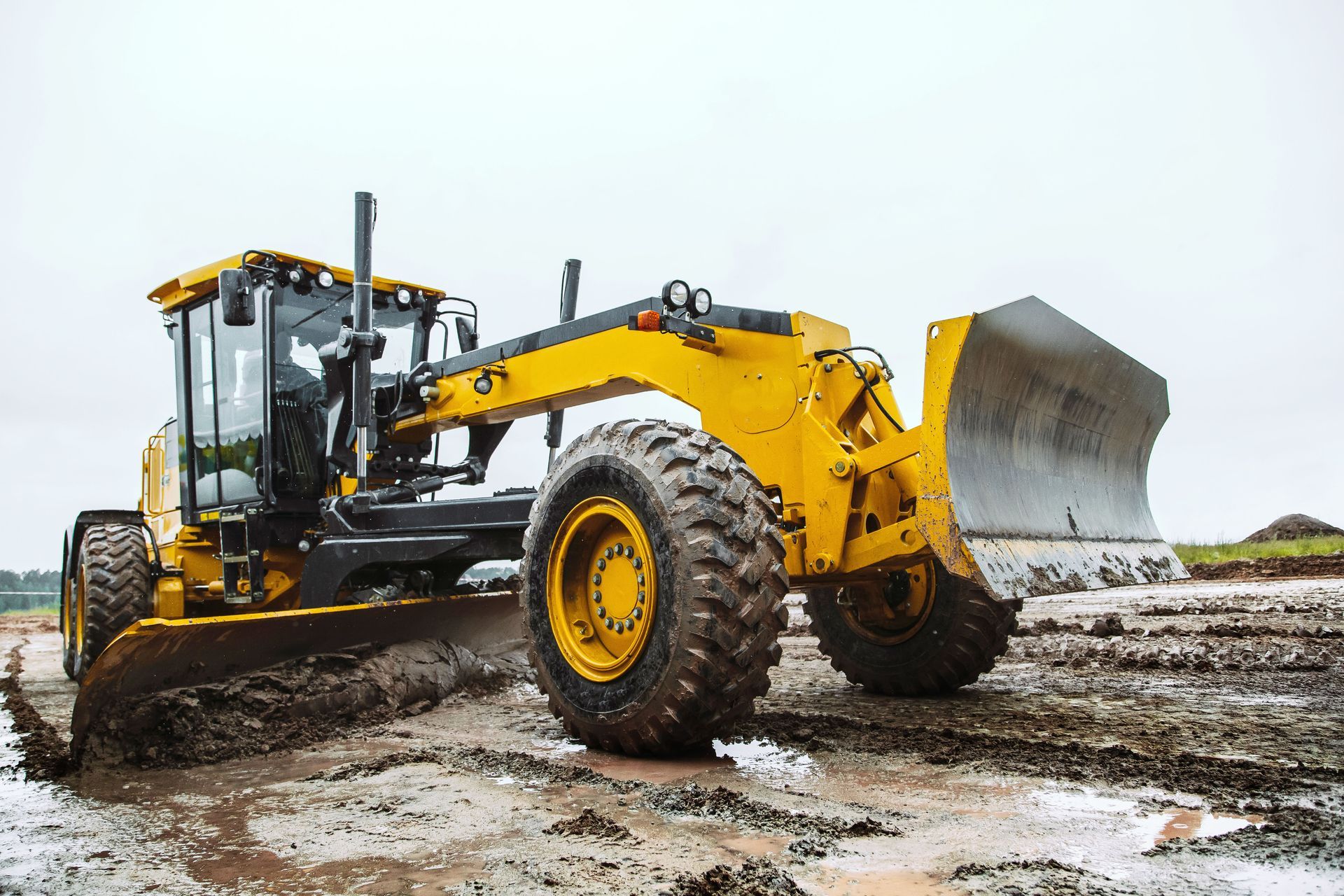
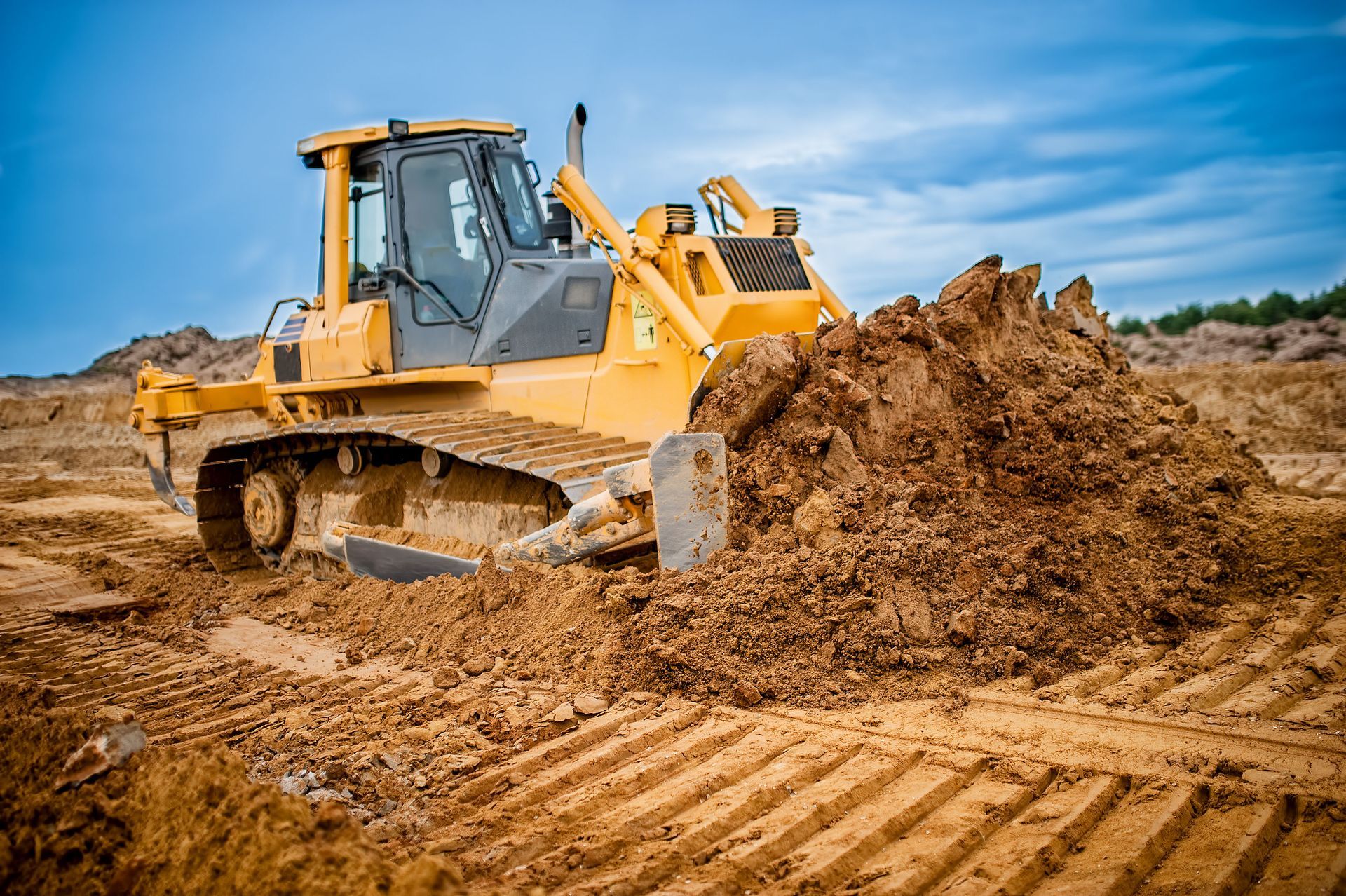
Heavy machinery forms the backbone of any serious site development project. Excavators, bulldozers, and track loaders provide the primary hydraulic force required to clear dense vegetation, remove deep root systems, and level rough terrain. When evaluating a land clearing company, inspect the age, working condition, and maintenance logs of their fleet. Modern machinery equipped with advanced hydraulic systems delivers precise control and higher fuel efficiency, reducing potential downtime on your job site.
Beyond standard earthmoving machines, specialized attachments expand equipment versatility across varying ground conditions. Hydraulic grapples, tree shears, root rakes, and forestry mulchers allow operators to adapt quickly to dense timber, brush, or rocky soils. High-capacity mulchers and brush cutters grind standing trees and residual vegetation directly into organic mulch. This on-site processing eliminates the need for open burning or costly off-site hauling while protecting the surrounding topsoil from erosion.
In addition to heavy iron, a professional contractor must deploy comprehensive safety gear and site compliance equipment. Rigorous protective gear for ground crews, dust suppression systems, and noise mitigation barriers protect workers and neighboring properties. Furthermore, forward-thinking operators integrate GPS terrain mapping and aerial drone surveys to map site boundaries, track earthwork progress, and avoid hidden underground utilities, guaranteeing a precise and efficient operation from start to finish.
Experience, Specialization, and Industry Capability
Years of active operation represent a primary benchmark when assessing a land clearing company. Seasoned contractors have navigated diverse soil types, steep slopes, and unpredictable weather conditions, allowing them to anticipate field obstacles before they disrupt project timelines. Reviewing a contractor’s portfolio of completed projects offers tangible proof of their versatility across residential, commercial, and agricultural job sites.
Operating across varied ecosystems requires specific mechanical approaches and environmental awareness. Clearing dense timberland requires heavy logging shear setups, whereas working near wetlands demands amphibious machinery or specialized mats to prevent severe soil compaction and hydrological disruption. A capable contractor understands how to adapt techniques to suit coastal, mountainous, or heavily forested environments without damaging adjacent root zones.
Evaluating client testimonials, industry reviews, and professional references reveals a company’s reliability and communication standards. Consistently positive feedback from developers, civil engineers, and property owners confirms that the contractor honors estimates, maintains site safety, and delivers clean results. Choosing an experienced land clearing company minimizes project risks and ensures your land is properly prepared for subsequent grading and construction.
Licensing, Insurance, and Environmental Compliance
Valid operating licenses are non-negotiable prerequisites when hiring any commercial contractor. Proper licensing verifies that the business meets local, state, and federal regulatory standards for land disturbance and heavy machinery operation. Engaging an unlicensed operator opens property owners to legal liabilities, severe municipal fines, and potential shutdowns from local building departments.
Industry certifications and formal trade accreditations further demonstrate a commitment to professional excellence. Certifications in arboriculture, heavy equipment operation, and erosion control show that crews undergo regular training in modern land management practices. Equally important is verifying comprehensive insurance coverage, including general liability, commercial auto, and workers' compensation policies. Complete insurance protection safeguards property owners from financial liability in the event of accidental property damage or worker injuries on site.
Environmental compliance is an increasingly critical aspect of modern site preparation. A responsible land clearing company operates in strict accordance with local erosion control ordinances, wetland buffer rules, and protected species regulations. Implementing silt fencing, preserving designated canopy trees, and managing runoff prevents soil degradation and water contamination. Dedicated employee training programs ensure that field crews stay up to date on environmental laws, safety protocols, and efficient machinery operation.
Reputation, Reliability, and Project Management
A contractor’s background and business history reveal much about their operational stability. Established companies with strong community roots are motivated to protect their professional standing by delivering quality workmanship. Investigating a contractor’s track record through local trade associations and business registries helps confirm their financial health and operational consistency.
Punctuality and strict adherence to schedules are essential when coordinating multi-phase development projects. Delays during the land clearing phase cascade down the line, stalling foundation crews, utility installers, and vertical builders. Reliable contractors establish realistic timelines, allocate adequate machinery, and maintain clear contingency plans to handle unexpected weather or equipment adjustments without pushing back completion dates.
Operational transparency and proactive problem-solving build trust between property owners and service providers. A reliable land clearing company provides detailed, itemized estimates and communicates openly about potential underground hazards, such as rock outcroppings or high water tables. When unexpected field conditions arise, experienced project managers offer practical, cost-effective solutions that keep the project moving forward smoothly while upholding safety and quality standards.
Client Communication and Service Professionalism
The initial client consultation sets the tone for the entire working relationship. During this site walk-through, a professional contractor listens to your specific site goals, evaluates timber density, assesses slope grades, and identifies potential access constraints. Clear, transparent communication during early planning prevents costly misunderstandings and aligns project expectations before heavy equipment arrives on site.
Throughout the active clearing process, receiving regular project updates ensures complete visibility into daily progress. Whether through digital daily logs, phone briefings, or site photos, consistent updates keep property owners informed about completed acreage, timber processing, and upcoming milestones. A professional land clearing company values open dialogue and responds promptly to client inquiries or scope adjustments.
Professionalism extends to conflict resolution and post-service follow-up. If unexpected challenges arise regarding property boundaries, haul routes, or site cleanup, a client-focused contractor resolves issues calmly and constructively. After the heavy machinery leaves the site, conducting a thorough final walk-through guarantees that all project specifications have been met, leaving the ground properly cleared, stabilized, and ready for immediate development.
Assessing Company Culture, Safety, and Attitude
A proactive attitude toward risk management distinguishes industry leaders from average operators. Rather than merely reacting to equipment breakdowns or site hazards, a forward-thinking land clearing company implements preventative maintenance schedules and detailed daily safety briefings. Anticipating challenges reduces workplace accidents and prevents unnecessary project delays.
Flexibility during site execution is essential, as ground conditions can change quickly once upper vegetation is removed. Adaptable contractors adjust their machinery attachments or clearing strategies to accommodate unexpected soil conditions, tree preservation zones, or altered grading plans. This client-centered flexibility ensures that your ultimate vision for the property is realized efficiently.
Selecting the right land clearing company requires evaluating equipment capability, industry experience, regulatory compliance, and professional attitude. By using this comprehensive checklist, property owners and developers can partner with a qualified contractor capable of transforming raw acreage into a site ready for construction. As land development demands expand across the region, securing a reliable, safety-conscious partner ensures your project stays on schedule and within budget. For expert land preparation, professional tree management, and dependable site services, trust the dedicated team at Barber's Tree Service LLC to clear the way for your next project.