June 25, 2026
The sight of a leaning tree on your property can raise numerous concerns for any homeowner or property manager. Not only does it pose a potential risk to nearby structures, but it also presents a complex biological challenge that might require professional intervention to properly resolve. Understanding the potential risks and determining the necessary actions is crucial when dealing with a leaning tree, and knowing how professional tree services can help is an essential first step in safeguarding your entire landscape.
This comprehensive approach involves evaluating the tree's health, identifying hidden environmental hazards, and calling in expert assistance if needed. Proactive management significantly mitigates risks and preserves both the environmental aesthetics and the safety of your property before minor shifts turn into severe liabilities. Ignoring the initial indicators of instability often leads to much costlier property restoration, severe legal liabilities, and emergency complications down the road, making early arborist consultations highly invaluable.
Analyzing the Causes of Root and Soil Instability
Soil conditions have a massive impact on the long-term structural stability of your landscape. Heavy erosion can quickly undermine delicate root systems, weakening a tree's grip on the earth and causing it to lean progressively over time. Similarly, saturated soil from poor drainage or excessive rainfall reduces friction within the dirt, preventing roots from anchoring firmly. When soil loses its structural integrity, trees quickly begin to tilt under their own immense weight, turning a natural feature into an immediate hazard.
Root damage is another leading catalyst for a leaning trunk and requires careful diagnostic monitoring. Construction activities, underground utility installations, severe soil compaction, pests, and aggressive fungal diseases frequently decay structural roots. Once the foundational root network is compromised, the tree loses its counterbalancing support, causing it to lean toward the weakened side. This internal instability often requires diagnostic equipment and deep-ground radar to be properly evaluated by certified teams.
Environmental shifts and volatile weather events also play a major role in uprooting structural balance. Strong winds can violently displace a tree's equilibrium, especially those with naturally shallow root profiles or those growing in newly cleared clearings. Over time, repeated exposure to severe weather gradually exacerbates a minor tilt into a major hazard, demanding prompt attention from qualified tree services to prevent an unexpected and catastrophic failure during the next storm season.
Determining the Danger Level of a Leaning Tree
Evaluating the severity of a lean requires looking closely at physical stress indicators along the trunk and base. Visible cracks in the trunk, buckled soil at the base, or exposed, tearing roots on the opposite side of the lean indicate that the tree is actively shifting. These symptoms strongly suggest that the structural integrity is compromised and immediate failure could be imminent if environmental pressures continue to mount.
The specific angle of the lean provides a clear, unyielding metric for danger. According to Forbes, even trees in good health that are leaning more than 15% off vertical plumb should be removed, as they are a safety concern. When a tree exceeds this threshold, gravity exerts unsustainable leverage on the root plate, making long-term preservation highly unlikely and increasingly dangerous for the surrounding area.
The overall species, biological growth habits, and size of the tree must be factored into the risk equation. Large, mature trees with massive, sprawling canopies present a much higher hazard level than smaller ornamental varieties due to the sheer force and kinetic energy they generate if they fall. Certified arborists utilize these physical metrics to categorize the threat level, measure historical structural shifting, and determine whether specific target areas are at immediate risk.
Evaluating Potential Risks to Property and Safety
The primary concern with any unstable tree is the direct threat it poses to nearby structures and assets. Trees leaning toward homes, detached garages, driveways, or public power lines create an immediate liability for the property owner. A sudden failure can cause catastrophic structural damage, expensive utility interruptions, and costly emergency restoration fees that homeowners insurance might not fully cover if negligence is proven.
Beyond property damage, leaning trees present severe personal safety hazards to residents, visitors, and passersby. High-traffic areas like community sidewalks, backyard patios, and children's play areas become dangerous zones when an unstable tree looms overhead. Because a compromised tree can fall without warning during a storm or even on a calm day due to gravity, addressing these hazards early is essential for public safety, protecting everyone from devastating injury or worse.
Unstable trees also negatively affect the surrounding ecosystem and adjacent vegetation on your lot. A leaning canopy can block vital sunlight from reaching understory plants, while a shifting root plate can physically disrupt the root systems of neighboring flora. Utilizing specialized tree services ensures that these broad environmental risks are managed carefully without causing further collateral damage to the local landscape and lawn architecture, preserving your yard's natural harmony.
Mitigating Hazards Through Professional Interventions
When a leaning tree is caught early and deemed salvageable, structural support systems can often stabilize the trunk. Technicians use high-strength cabling and bracing techniques to reduce structural stress caused by wind and gravity. These systems limit the dynamic movement of the tree during storms, allowing it to grow more securely while minimizing the risk of trunk splitting or root failure.
Soil management and structural root pruning can also help rectify minor leaning issues caused by shifting ground. Improving soil drainage, adding structural mulch, or installing retaining barriers can fortify the ground directly around the root zone. By stabilizing the soil matrix, the root system is given a firmer foundation to anchor itself, preventing further lean progression and encouraging vertical growth.
Strategic canopy thinning reduces the wind-sail effect and redistributes the tree's weight more evenly across its base. Removing selective heavy branches lightens the load on the side of the lean, alleviating the physical strain on the root plate below. This balance adjustment helps the tree maintain equilibrium during high-wind events, protecting the structural integrity of the entire organism over the long term.
Managing Long-Term Landscape Safety and Care
Regular inspections form the absolute backbone of a safe, beautiful, and sustainable landscape. Routine checkups allow property owners to monitor stable leans and detect subtle structural changes before they manifest as costly emergencies. Documenting these changes over time ensures that corrective actions can be taken at the ideal moment, saving both money and mature trees. Professional risk evaluations keep your property compliant with municipal safety ordinances while giving you documented peace of mind.
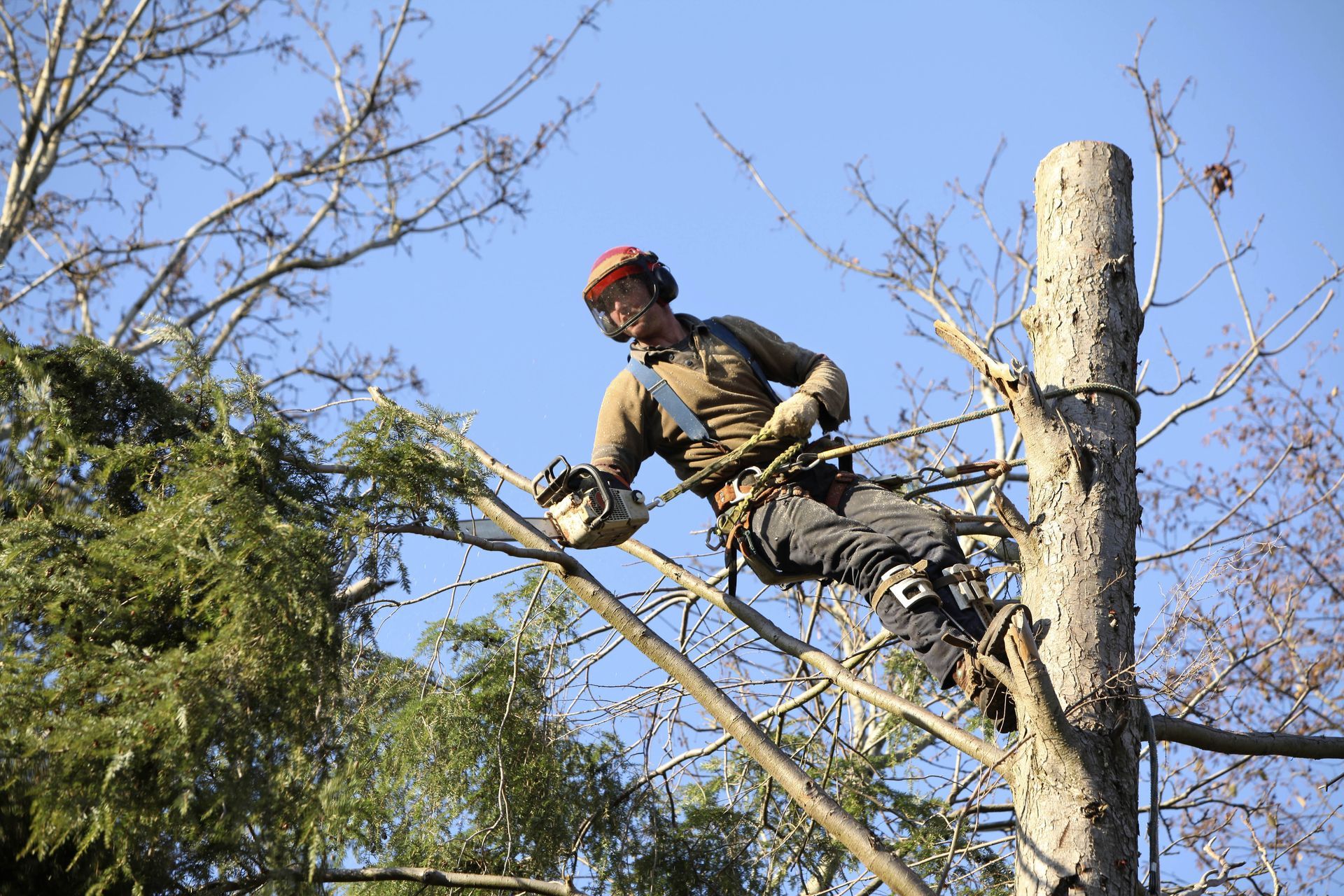
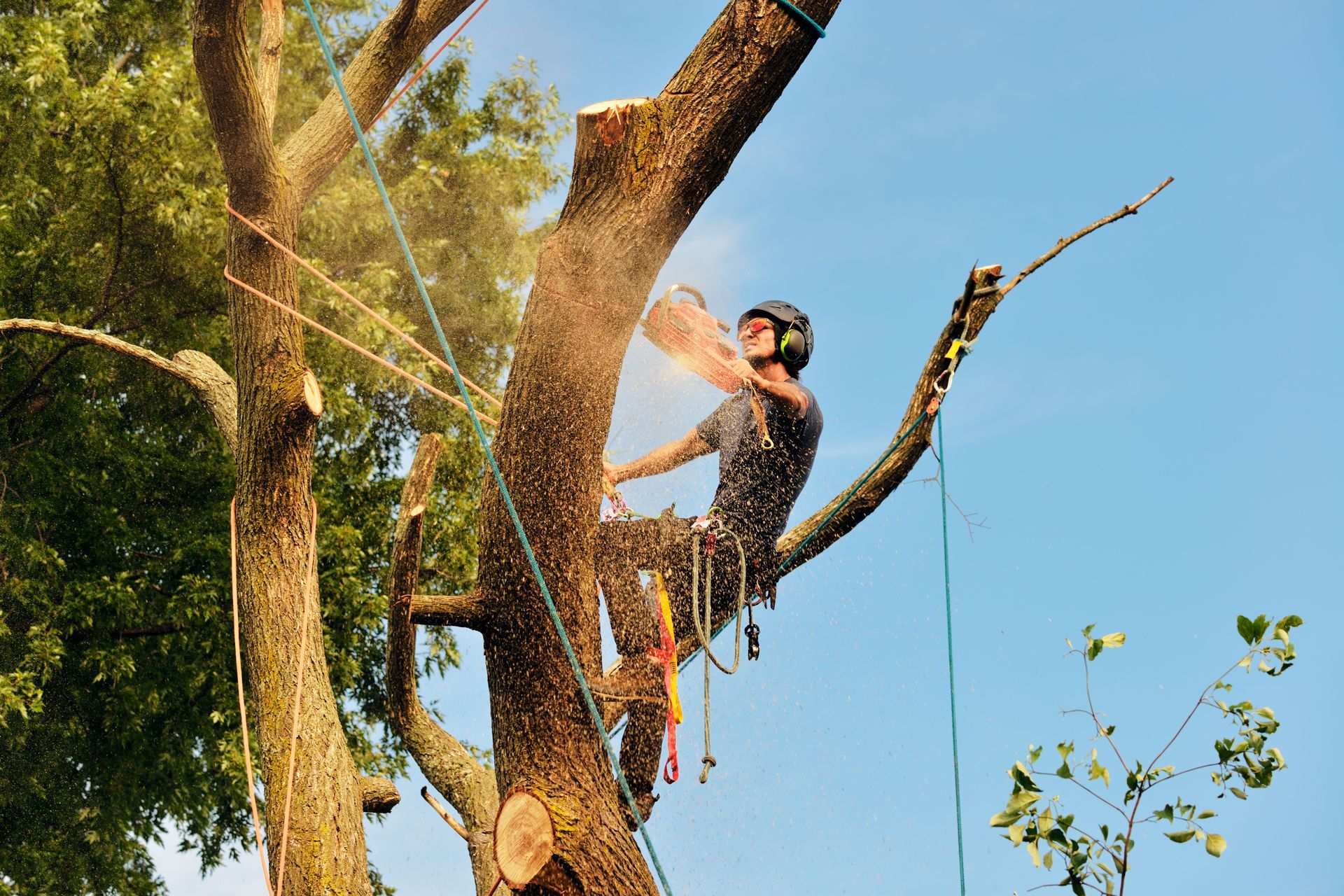
When preservation methods fail, and the risk remains too high, safe removal becomes the only viable option to protect the property. Professional tree removal requires rigging, cranes, and cutting equipment to lower large sections safely without damaging surrounding infrastructure. Relying on experienced professionals guarantees that the removal process is executed cleanly, safely, and efficiently, eliminating the catastrophic liabilities associated with an unexpected tree collapse on your grounds.
Proactive care maintains both property value and ecological health over time, giving you total peace of mind. Partnering with professional tree services ensures that your landscape remains resilient against changing weather patterns and environmental stressors for years to come. For more information about the services that we offer, reach out to our incredible team at Barber's Tree Service LLC today!