June 11, 2026
Homeowners face significant temptations to manage property maintenance without assistance. The appeal stems from perceived cost savings and a desire to control landscaping projects. However, tackling tree removal presents profound risks that inexperienced individuals fail to anticipate. Eliminating large trees requires immense skill, precise calculations, and intense physical exertion. Amateurs underestimate the sheer mass and unpredictable nature of falling wood.
This brings individuals to a critical realization regarding landscape management. The process involves extreme danger rather than just swinging an ax or operating a chainsaw. Without professional training, severe consequences become inevitable. Ignorance of structural weaknesses in wood leads to catastrophic outcomes. The process of tree removal demands profound respect for the extreme forces at play. Homeowners must understand the hidden dangers lurking in these massive biological structures.
The Peril of Falling Timber
Gravity acts with absolute force when property owners cut heavy branches. A detached limb possesses immense kinetic energy, capable of causing devastating injuries. People lack the expertise to predict the exact trajectory of descending wood. Wind gusts alter the path of airborne debris without warning. The sheer weight of mature wood crushes anything standing in the descent zone. Such impacts cause permanent physical harm or fatalities.
According to the Occupational Safety and Health Administration, three common hazards related to tree care include power lines, faulty safety equipment, and falling branches. This highlights the severe reality amateurs face when attempting dangerous landscaping tasks. The unpredictability of falling branches requires professional rigging techniques. Inexperienced individuals lack the required ropes and pulleys to guide heavy limbs. Gravity takes control the moment the cut finishes.
Rotten sections hidden within the trunk create sudden failures during the felling process. A solid trunk collapses, sending shards of wood flying in random paths. The operator stands vulnerable to these violent bursts of splinters and heavy timber. Professionals know how to identify these internal weaknesses through visual inspections. Amateurs strike the wood blind to the internal decay waiting to cause an accident.
A successful cut leaves enormous debris scattered across the lawn. Moving these massive sections strains the back and joints. The physical demand of clearing the aftermath exhausts fit individuals. Fatigue leads to a lack of concentration, increasing the likelihood of further accidents. Eliminating a stump requires heavy machinery that untrained people operate with terrible results. The entire ordeal presents endless opportunities for physical injury.
The Threat of Electrocution Hazards
Urban and suburban environments feature a complex web of overhead utility cables. Branches grow through these high-voltage lines, creating a deadly puzzle for individuals attempting tree removal. Amateurs fail to maintain a safe distance from energized wires. Electricity arcs through the air, seeking the path of least resistance. Wood conducts electricity, with fresh wood filled with sap and moisture acting as a prime conductor. Touching a live branch causes instant electrocution.
Property owners misjudge the voltage running through residential utility lines. A common misconception suggests these wires carry harmless amounts of energy. In reality, the voltage flowing above streets possesses enough power to cause immediate death. Specialized professionals use insulated tools to work near these utilities. Untrained individuals rely on standard metal tools. This combination of metal and electricity invites disaster into the yard.
Storm damage complicates the situation by snapping branches onto utility cables. The tension placed on the wires turns the debris into a loaded spring. Cutting the wrong section releases the tension, snapping the live wire toward the operator. Surviving such an event remains rare. Amateurs lack the knowledge to recognize tension zones and pressure points within tangled debris. They approach the hazard with naive confidence.
Underground utilities pose a threat during stump extraction. Digging tools strike buried gas pipes or underground electrical conduits. Hitting a gas line triggers an explosion, devastating the surrounding neighborhood. Severing a buried electrical line creates an additional hidden electrocution hazard. The ground itself becomes energized, shocking individuals standing in the vicinity. Homeowners forget what lies beneath the soil surface when attempting to clear heavy roots.
The Risk of Equipment Mishaps
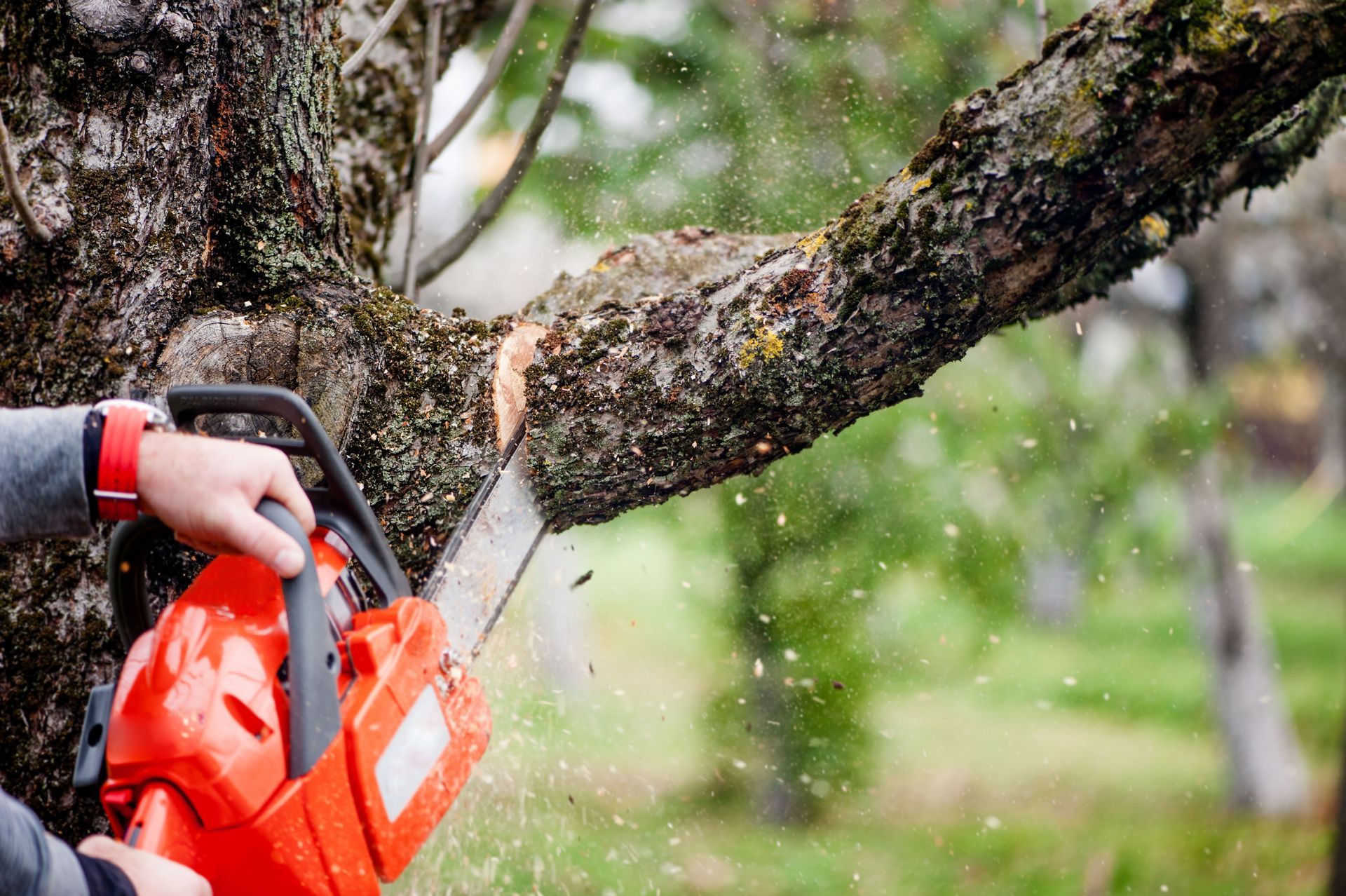
Chainsaws rank among the most dangerous tools available to consumers. The sharp chain rotates at incredible speeds, capable of slicing through bone in a fraction of a moment. Kickback occurs when the tip of the bar strikes a solid object. This action throws the spinning blade straight toward the face of the operator. Amateurs lack the reflex speed to stop the machine before impact occurs.
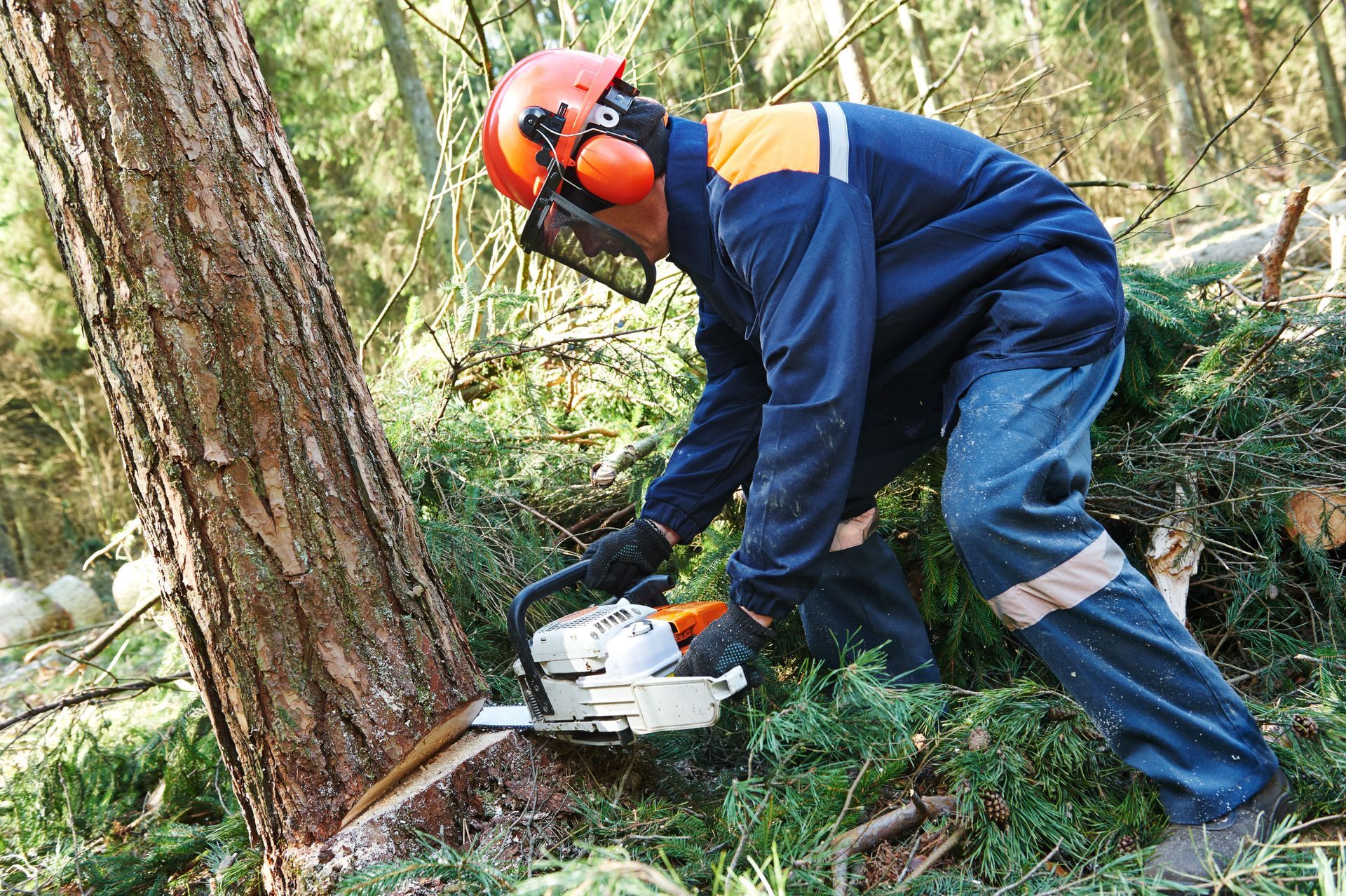
Protective gear remains absent in most amateur landscape operations. Individuals operate heavy machinery wearing shorts and simple footwear. Professional arborist gear includes cut-resistant chaps, heavy helmets, and specialized face shields. Without this armor, any slip of the blade guarantees a visit to the emergency room. The vibration of the equipment causes hand fatigue, loosening the grip of the operator as time passes. The machine slips from tired hands.
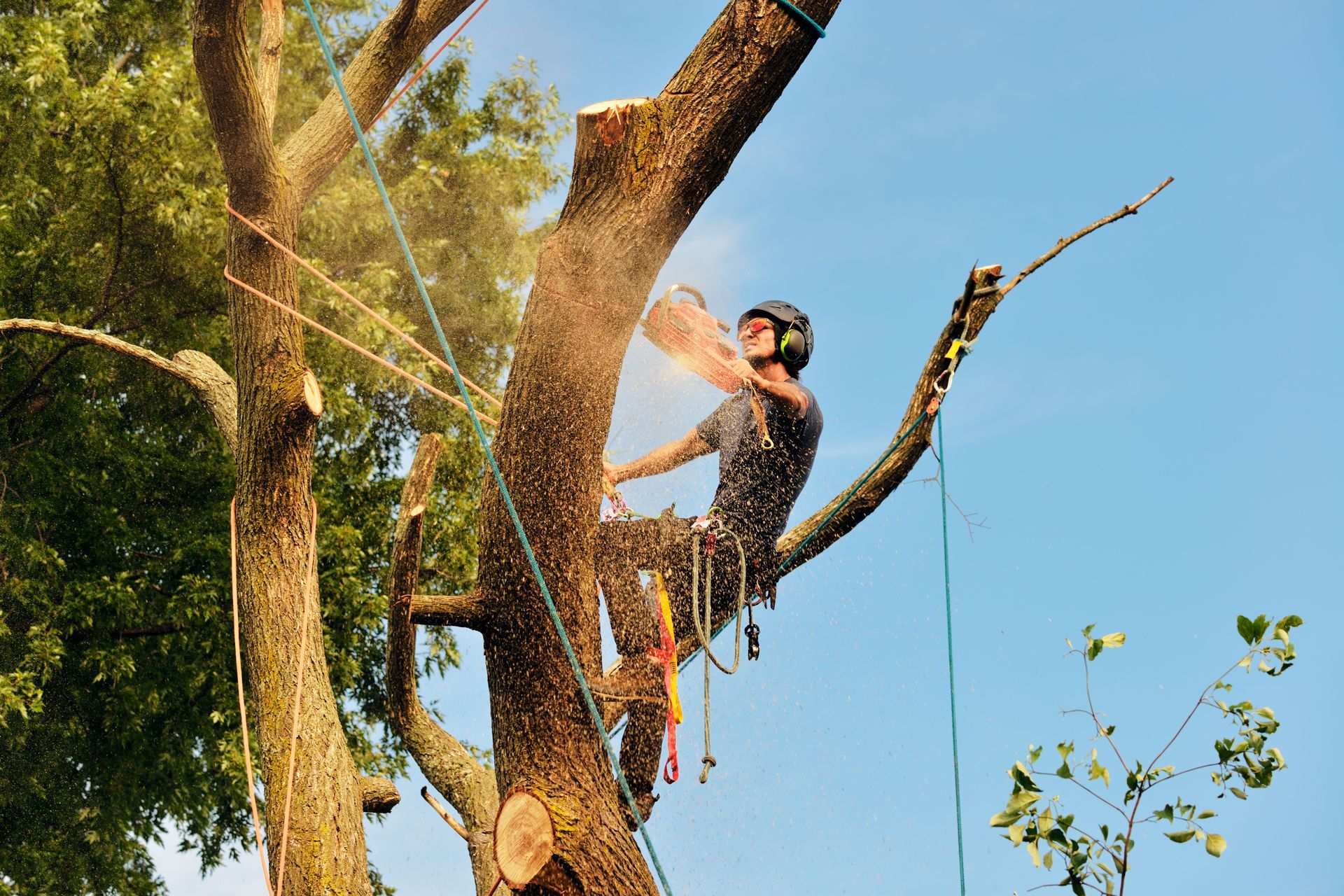
Ladders add an extra layer of danger to the process. Attempting tree removal while balancing on a narrow metal rung invites tragedy. The recoil from a heavy chainsaw destabilizes the ladder, sending the operator plummeting to the earth. In addition, the falling limb strikes the ladder on the descent.
Ropes and knots require precise application to function without failure. A bad knot unravels under the strain of heavy timber. The snapping rope acts as a whip, striking individuals in the vicinity with immense force. Amateurs purchase cheap utility ropes incapable of bearing massive loads. The equipment snaps, dropping tons of wood onto the house below. The failure of cheap materials leads to extensive collateral damage.
The Hazard of Property Devastation
Houses sit vulnerable beneath towering oaks and pines. Miscalculating the felling direction sends the entire trunk crashing through the roof of a residence. Structural damage of this magnitude costs a fortune to repair. Insurance companies deny claims when homeowners cause intentional damage through reckless landscaping attempts. The financial ruin resulting from a crushed home destroys the financial stability of the family. The risk outweighs the reward.
Fences and outbuildings face similar threats from descending debris. A heavy branch pulverizes a wooden fence, shattering the barrier into tiny fragments. Replacing destroyed landscaping features requires significant capital and labor. The initial goal of saving money vanishes the moment the wood strikes a valuable asset. The devastation extends beyond the property line, in some cases, crushing the possessions of neighbors. These accidents breed legal liabilities.
Roots pose a threat to concrete foundations and driveways during the extraction phase. Pulling root systems out of the earth shifts the surrounding soil. This soil displacement cracks the foundation of the house, leading to moisture intrusion and structural decay. The driveway buckles under the weight of heavy machinery brought in to deal with the mess. The landscape transforms into a chaotic disaster zone.
Vehicles parked nearby suffer catastrophic damage from falling limbs. A crushed car requires extensive repairs or complete replacement. Dents and broken glass serve as a permanent reminder of the foolish attempt to master nature. People fail to clear a wide drop zone to protect their assets. The unpredictable bounce of heavy wood sends projectiles flying into windshields. Avoiding such property devastation requires trained experts.
The desire to maintain a pristine yard should never supersede personal safety. Tree removal stands as an extreme endeavor meant for certified experts. The sheer forces involved demand respect, specialized training, and heavy-duty armor. Attempting to tame massive vegetation with amateur skills invites physical harm, property destruction, and financial ruin. The dangers remain hidden from those lacking the experience to read the signs of impending failure.
Property owners must prioritize the preservation of human life over the satisfaction of completing a tough chore. The hazards of unpredictable gravity, live electricity, and brutal machinery create a perfect storm for disaster. Professional arborists possess the knowledge to navigate these extreme perils. Leaving tree removal to the experts prevents unimaginable tragedies. The preservation of health and home depends on avoiding these profound and hidden landscaping dangers. For safe and efficient tree removal, leave the hazardous work to the experienced professionals at Barber's Tree Service LLC. Contact our team today to secure your property and eliminate the hidden dangers in your yard.