February 5, 2026
Trees, while beautiful and an essential part of our ecosystem, can sometimes pose risks to property safety and aesthetics. When trees become diseased, damaged, or overgrown, they may become hazardous. Whether improving the landscape's visual appeal or ensuring the safety of property and people, professional tree removal becomes essential.
1. Understanding the Need for Tree Removal
The rapid growth of trees can sometimes lead to structural imbalances, making them prone to falling during storms. Dead or dying trees can quickly become eyesores and hazards on a property. Additionally, some tree species are invasive and can harm the local ecosystem, making removal necessary.
Diseased trees may also pose a threat to other plants, spreading pests and diseases if not managed timely manner. Removing such trees ensures the healthy growth of the surrounding flora. Furthermore, property development projects often necessitate the removal of trees to make way for construction activities.
The decision to remove a tree is not always easy, but it becomes necessary when safety concerns arise. An example could be trees growing too close to power lines or structures. In such cases, tree removal supports the broader goal of protecting life and property.
Professional arborists use specific criteria to evaluate a tree's health, looking for signs such as extensive leaf loss, fungal growth, or structural damage. Regular assessments are vital to identify any potential threats before they become significant problems. Even a seemingly healthy tree with poor root systems could be at risk of falling.
Noticeable signs, such as cracks in the trunk or branches, cankers, or large amounts of deadwood, indicate it might be time to remove the tree. Dream-like appearances can be deceiving, particularly within urban settings where trees face numerous stresses. Assessing these threats early can prevent costly damages or accidents.
Through a thorough health assessment, homeowners can prioritize tree removal based on urgency and impact. Trees play a crucial role in maintaining ecological balance, and understanding the need to remove them carefully is crucial. Expert guidance can differentiate between a tree that can be pruned and maintained and one that requires complete removal.
Overgrown trees can overshadow gardens, hindering the growth of plants that require adequate sunlight. Large shade-producing trees may also increase moisture levels around a property, fostering mold growth on building exteriors and pathway surfaces. The physical damage can result from massive roots that may uplift pavements and crack foundations.
2. Learning Safety Measures in Professional Tree Removal
Tree removal is an intricate, potentially hazardous task, best conducted by trained professionals. Attempting to remove trees without the right expertise can endanger property, health, and safety. Professionals come with skills acquired through training and experience, ensuring tasks are completed safely and efficiently.
From using specialized equipment to understanding tree biology, these professionals leverage diverse skills to handle removal tasks effectively. Their awareness of safety protocols prevents accidents, preserving not only property but also lives. Furthermore, they inoculate instances where amateur attempts could result in injuries or further damage.
Professionals also offer consultations, assessing trees with precision to recommend appropriate actions while minimizing associated risks. By hiring certified and experienced experts, property owners demonstrate responsibility, ensuring the community's broader goal of harmonious coexistence with nature is achieved.
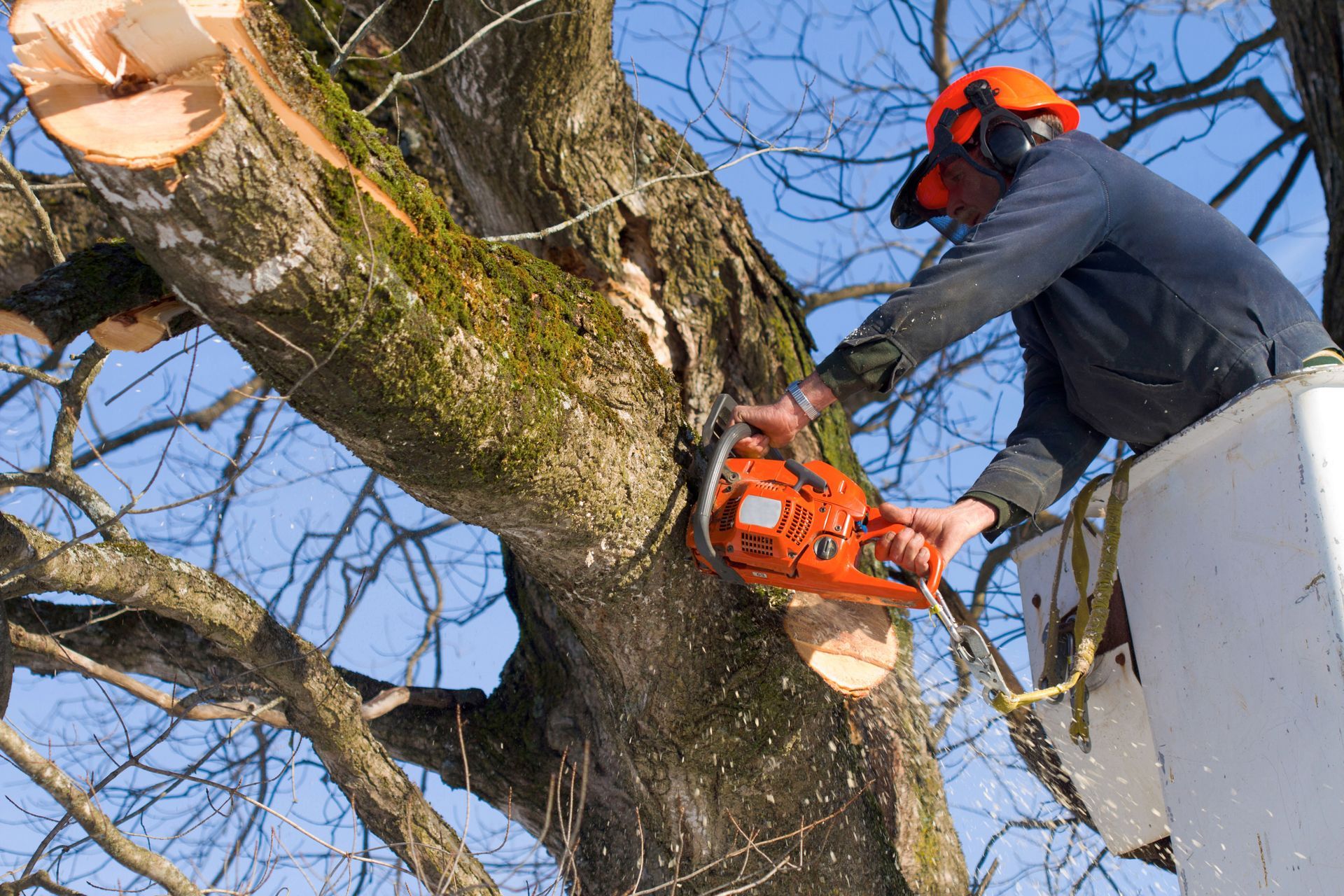
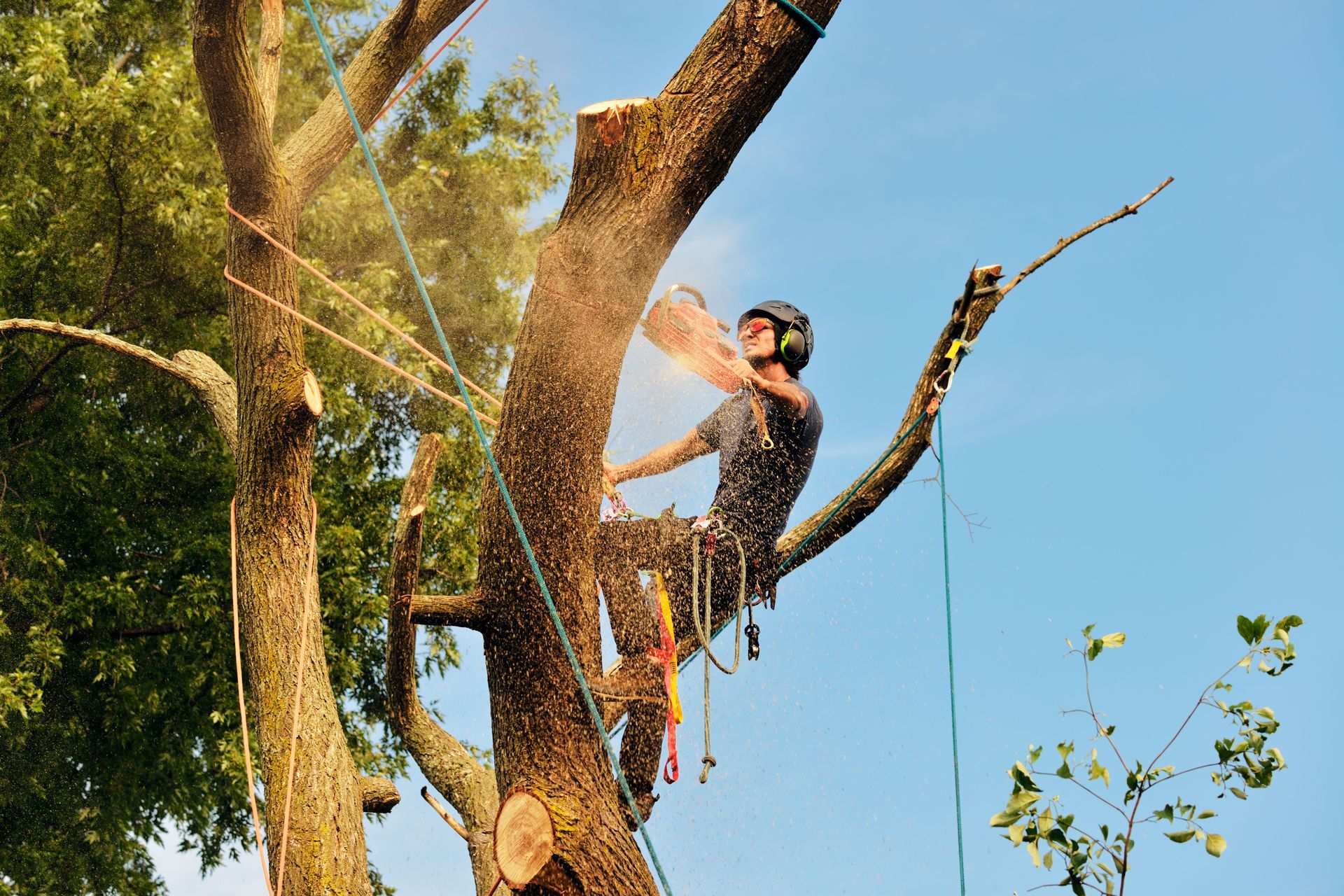
The safety of personnel during tree removal tasks is paramount, relying on the proper use of specialized gear and equipment. Essential tools include hard hats, gloves, safety glasses, ear protection, and steel-toed boots to protect workers from common hazards. Harnesses and ropes provide additional fall protection during climbing tasks.
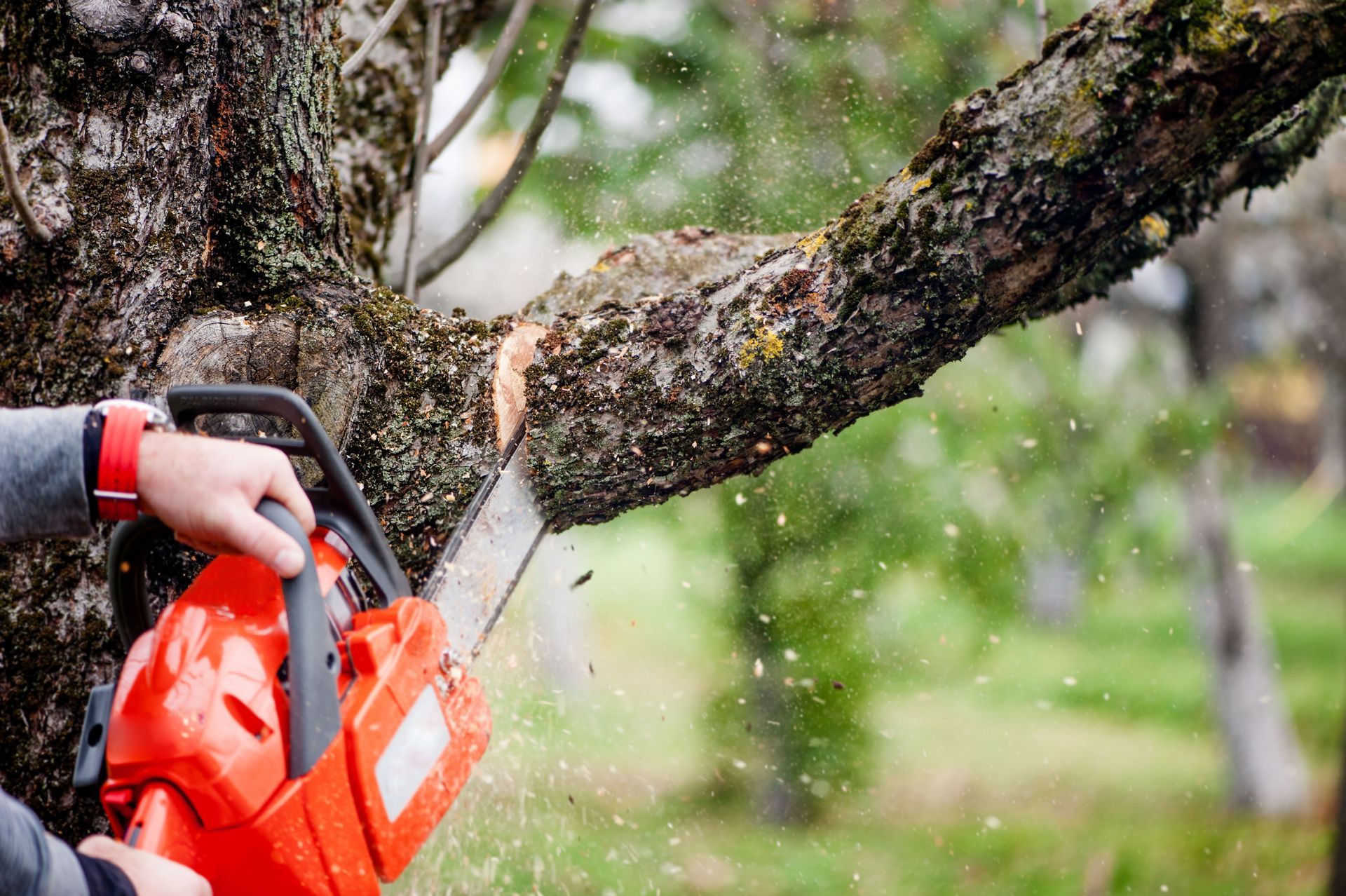
Safety equipment extends beyond personal protective gear to include machinery like chainsaws, chippers, and trucks, each requiring skillful operation. Automatic barriers and safety signage are used to ensure pedestrian safety within work areas. Proper use of these tools minimizes the risks associated with tree removal efforts.
Employers must provide workers with appropriate gear and ensure innovative advancements in safety equipment. Training and regular drills for safe equipment use and emergency response enhance the overall safety of operations. Properly managed safety measures protect workers and uphold industry standards in all tree removal assignments.
Conducting a thorough risk assessment is an essential aspect of any professional tree removal project. This initial review identifies potential risks, evaluating elements such as the tree's lean, stability, and proximity to structures or utilities. A detailed risk assessment facilitates the development of strategies to mitigate identified risks.
3. Selecting the Right Tree Removal Service
Selecting a reputable tree removal service ensures adherence to industry standards and guarantees quality results. Prospective clients should verify that service providers hold necessary certifications such as ISA (International Society of Arboriculture) or TCIA (Tree Care Industry Association) credentials. These certifications ensure professional practices that uphold safety and environmental integrity.
A company’s credentials also indicate its commitment to continuous learning, adapting to industry advancements for optimal customer service. Seeking assurance of workers’ compensation and liability insurance coverage protects clients from potential liabilities, fostering trustworthiness. Confirmation of credentials instills confidence that professionals possess the expertise necessary for successful tree removal.
Doing due diligence in verifying credentials also reassures property owners of compliance with local regulations and industry best practices. A certified workforce continually focuses on delivering high-quality work, guided by ethical and sustainable practices. Did you know? According to IBISWORLD, the tree trimming market has low entry barriers and highly seasonal demand, facilitating ease of entry and exit for companies.
The depth of a company's experience and expertise significantly impacts its capability to handle distinctive tree-related challenges. Experienced teams demonstrate practical knowledge and enhanced skills acquired over years of managing complex scenarios. Expertise facilitates problem-solving, fostering innovative and effective project outcomes under varied conditions.
Companies garnering years of practical tree removal experience often boast developed methodologies, refined through past interactions and learning. Their seasoned personnel are familiar with combating diverse adverse situations and possess intricate understandings of safety procedures. Experience equips them to handle unconventional scenarios with minimal risk exposure.
Moreover, companies specializing in tree care are building knowledge of local tree species and environmental conditions, tailoring services to local needs. Engaging experienced professionals ensures projects are executed proficiently, addressing unique requirements associated with site conditions. Clients benefit from the extensive knowledge obtained through extensive field experience and exposure.
Customer reviews and testimonials are insightful resources for assessing a tree removal service's performance and reliability. These perspectives offer genuine reflections of a company’s strengths and potential areas of improvement. Positive reviews often endorse their service quality, reinforcing client satisfaction and loyalty.
Professional tree removal is essential for maintaining both property safety and the overall beauty of your landscape. Trees that are diseased, damaged, or overgrown can quickly become hazards, posing risks to people, buildings, and surrounding vegetation. By relying on trained and certified arborists, homeowners can ensure that potentially dangerous trees are evaluated carefully, removed safely, and handled with minimal disruption to their property. Professionals bring the expertise, specialized equipment, and safety protocols necessary to complete even complex removals efficiently, protecting both people and structures from harm.
Beyond safety, professional tree removal also supports the health of your landscape. Removing problematic trees can prevent the spread of pests and diseases to nearby plants, improve sunlight and airflow for gardens, and reduce moisture buildup that could encourage mold or structural damage. Experienced tree removal teams also understand local tree species and environmental conditions, tailoring their approach to the specific needs of each property. This knowledge, combined with years of practical experience and a commitment to sustainable practices, ensures that every removal project is handled responsibly and effectively. Reach out to Barber's Tree Service LLC to learn more today!