March 4, 2026
This segment will introduce readers to the fundamental roles that tree services play in enhancing the landscape and ecological value of their properties. Tree services encompass a wide range of activities, from pruning and trimming to disease management and removal, all of which are essential for maintaining healthy and aesthetically pleasing landscapes. Professional tree care not only preserves the health and longevity of individual trees but also enhances the broader ecosystem in which they reside. Moreover, such services contribute to the protection of biodiversity, air quality improvement, and climate regulation, making them crucial to sustainable urban development. As society becomes more conscious of environmental issues, the demand for tree services highlights their hidden benefits and underscores their importance in community well-being and property value enhancement.
1. Enhancing Aesthetic Appeal and Property Value
Well-maintained trees significantly enhance the curb appeal of any property. They act as a natural frame for homes and gardens, providing a welcoming atmosphere. This visual appeal is not merely superficial, as it translates directly into increased property values. According to various real estate experts, properties with mature trees can see a value increase of up to 20%. Hence, investing in tree services can yield substantial returns, making it a worthwhile consideration for homeowners.
Strategically placed trees can transform a mundane yard into an inviting oasis. By positioning trees to provide shade, homeowners can create comfortable outdoor spaces for relaxation and entertainment. Additionally, strategically placed trees can offer practical benefits, such as reducing cooling costs by shading homes from direct sunlight. Thoughtful placement can also preserve sightlines and highlight architectural features. Professional tree services offer expertise in choosing the right species and locations to achieve these outcomes, enhancing both aesthetic and functional aspects of a property.
Regular maintenance of trees not only preserves their health but also makes them an asset during property assessments. Potential buyers often view mature, healthy trees as premiums, appreciating the long-term value they add to a property. Trees in need of attention can detract from the perceived value and reflect poorly on the overall maintenance of a home. Regular pruning, care, and removal of dead or dangerous trees thus play a critical role in maintaining property value. As Forbes notes, even trees in good health that are leaning more than 15% off vertical plumb should be removed as they are safety concerns, emphasizing the importance of professional evaluation.
2. Promoting Tree Health and Longevity
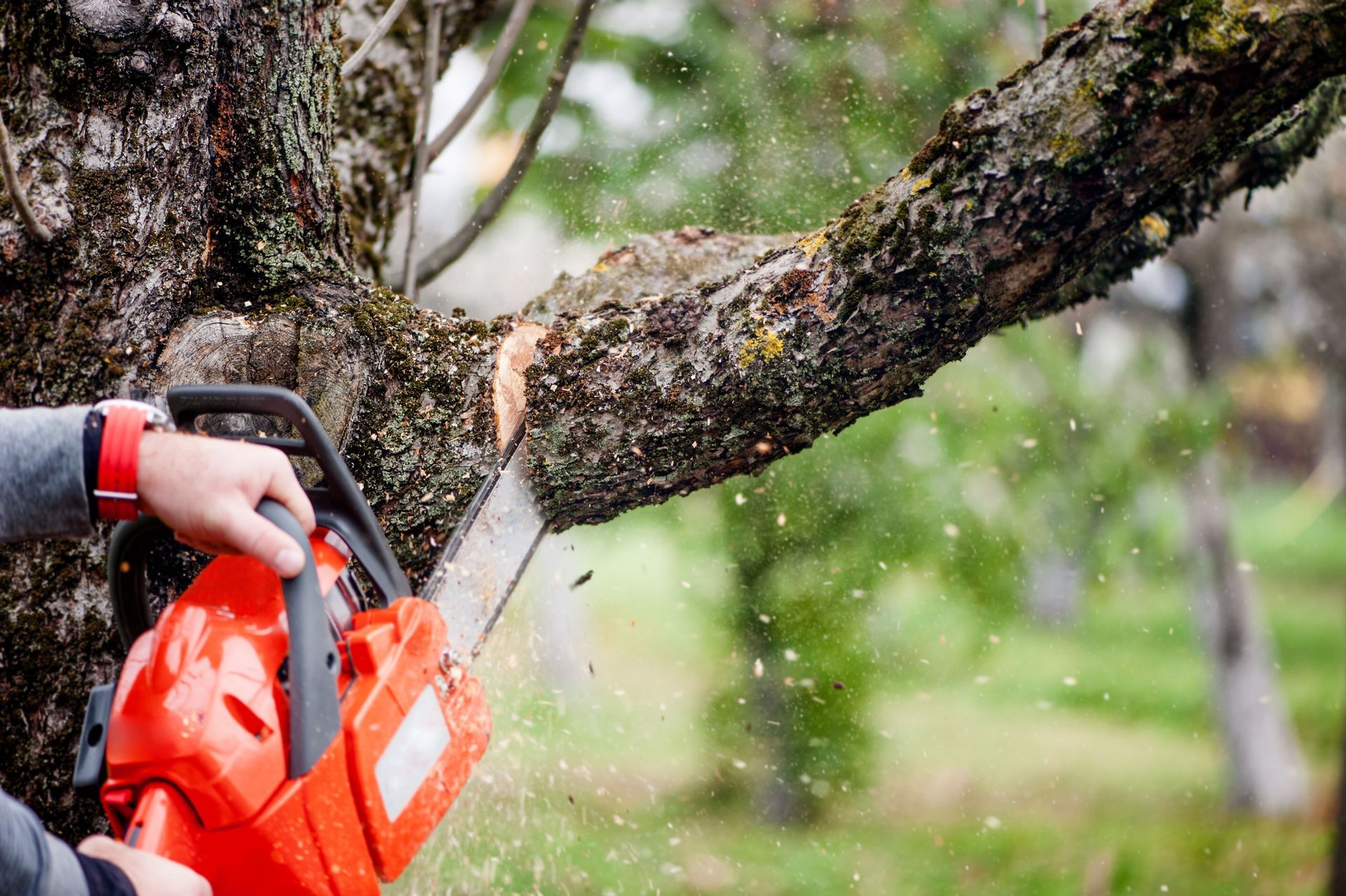
Regular pruning and trimming are vital for maintaining tree health. These services help remove dead or diseased branches, preventing the spread of illness and promoting the growth of healthy limbs. Pruning also allows light to penetrate, benefiting understory plants and grass. It can also improve the overall structure and strength of trees, making them less susceptible to storms. Professional arborists understand the best practices for pruning, ensuring trees are cut correctly and at the appropriate time of year.
Disease and pest management are essential components of tree care. Trees can be affected by numerous pests and diseases, some of which can spread rapidly if not managed promptly. Arborists can diagnose these issues early, implementing strategies to mitigate damage and prevent further spread. Treatments might include applying specific chemicals, introducing beneficial insects, or improving tree nutrition. Effective management ensures the longevity of trees, preserving the economic and ecological benefits they provide.
Healthy soil is the foundation of tree health. Professional tree services often include soil testing and amendments to ensure trees receive the nutrients they need. Nutrient deficiencies can be corrected with fertilization, improving growth and resistance to disease. Additionally, techniques such as mulching protect the soil structure, retain moisture, and reduce competition from grass and weeds. Such comprehensive soil management practices are essential for the sustained health and productivity of trees in urban and suburban landscapes.
3. Environmental Benefits and Sustainability
Trees play a crucial role in improving air quality by acting as natural air filters. They absorb pollutants such as nitrogen oxides, ammonia, and sulfur dioxide, trapping them in their leaves and bark. In addition to this, trees release oxygen as a byproduct of photosynthesis, contributing to the air's oxygen content. This improvement in air quality is critical in urban areas where pollution levels are often higher. As such, a robust tree service strategy supports urban environmental sustainability and enhances the health of city dwellers.
Carbon sequestration is another beneficial service provided by trees. Through photosynthesis, trees absorb carbon dioxide, a key greenhouse gas, from the atmosphere and store it as carbon in their biomass. This process helps mitigate the impacts of climate change. Young, fast-growing trees can sequester carbon more rapidly than older trees, highlighting the importance of sustainable tree planting and maintenance. The role of tree services in selecting appropriate species and maintaining their health is vital for maximizing carbon storage benefits and achieving long-term sustainability goals.
4. Energy Conservation and Climate Control
Trees contribute to energy conservation by providing natural shade that cools buildings and surrounding areas. By lowering temperatures, they reduce the need for air conditioning and energy consumption during hot months. Trees strategically placed around homes can cut summer air conditioning needs by 30% or more, leading to high cost and energy savings. This cooling effect also enhances outdoor comfort, encouraging more use of outdoor spaces. Professional tree services help identify the best placements to maximize these benefits, contributing to both energy efficiency and climate control efforts.
In addition to cooling, trees serve as windbreaks, which provide insulation benefits during colder months. Rows of trees can block harsh winds, reducing heating costs by lowering the rate of heat loss from homes. This natural insulation decreases reliance on heating systems, promoting energy conservation. Moreover, windbreaks can protect delicate plants and reduce wind erosion. To maximize the benefits of windbreaks, tree services assess factors like tree species, spacing, and orientation, ensuring optimal protection and insulation properties.
Trees play an essential role in microclimate regulation by moderating temperatures and humidity levels in their immediate surroundings. They create microclimates that can influence plant growth, pest populations, and human comfort. By contributing to localized climate stability, trees enhance the resilience of both natural and built environments. Tree services optimize microclimatic benefits through species selection and strategic placement, balancing ecosystem needs with those of landowners. This regulation is crucial for adapting to and mitigating the impacts of climate change.
5. Safety and Risk Management
Ensuring tree safety involves regular hazard analysis to identify potential risks. Trees with structural weaknesses or those that are diseased can pose significant safety threats. Hazards such as falling branches or tree collapse can result in property damage or injury. Tree services perform comprehensive assessments to identify at-risk trees, recommending appropriate interventions to mitigate these dangers. This proactive approach to risk management is essential for protecting both people and property from tree-related accidents.
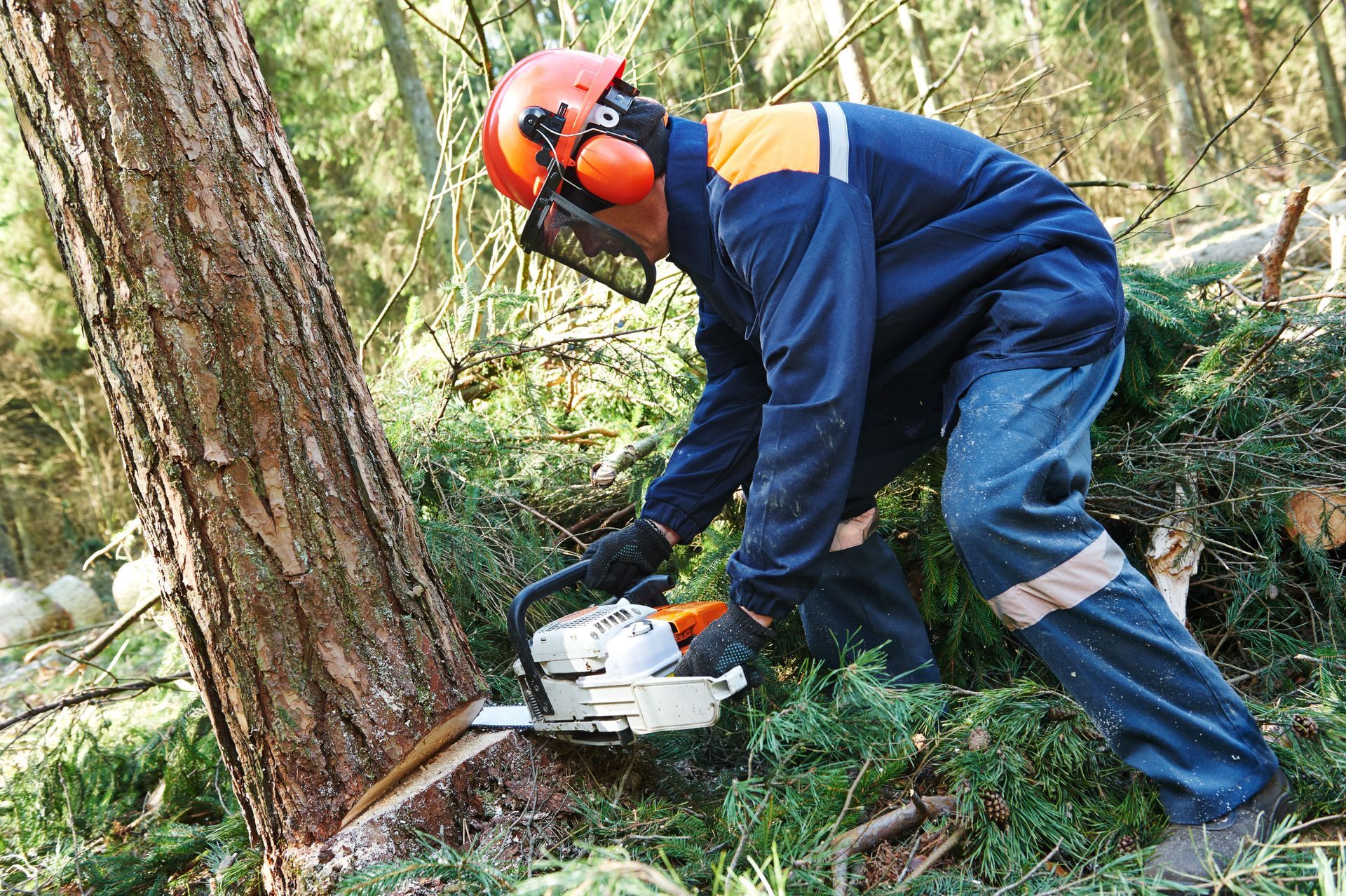
Emergency tree removal is often necessary after storms or unexpected safety threats. Swift action is crucial to prevent further damage or injury from compromised trees. Professional tree services are equipped to handle emergencies safely and efficiently, removing hazardous trees and debris. This response minimizes disruption to daily life and supports community resilience. Proper planning and timely intervention ensure that the removal process is conducted with minimal risk and environmental impact.
Tree services encompass a wide range of activities vital to maintaining the health, beauty, and ecological function of trees. These benefits extend beyond individual properties, contributing to urban sustainability, environmental health, and community well-being. As awareness of these benefits grows, so too does the appreciation for the essential work performed by tree care professionals. Investment in tree services represents a commitment to a healthier, more sustainable future for both people and the planet. For more information about the services that we offer, reach out to our incredible team at Barber's Tree Service LLC today!