April 3, 2026
Tree removal is a critical service, especially for homeowners and businesses looking to manage their landscapes effectively. While the natural lifespan of a tree can vary significantly based on species and environmental factors, there are instances where professional tree removal service becomes necessary. This article delves into the detailed process of tree removal executed by professionals to ensure safety and efficiency, covering the assessment phase, preparation, removal, post-removal activities, cost factors, and environmental considerations.
Assessment and Consultation
Site Evaluation
A thorough site evaluation is the cornerstone of a successful tree removal service. During this phase, professionals visit the site to understand the specific characteristics of the area and the tree in question. They assess the tree's size, location, and proximity to structures, looking out for factors that can dictate the removal approach. For example, if a tree is close to a building, special care must be taken to avoid damage. Moreover, professionals must ensure that the removal will not adversely affect the surrounding ecosystem or violate municipal guidelines.
The importance of site evaluation is underscored by the need to mitigate any risks associated with the removal process. Trees that are intertwined with power lines, adjacent to roadways, or near homes can pose challenges that necessitate a detailed plan. By understanding the intricacies of the site, professionals can proceed with confidence, ensuring that the correct techniques and equipment will be employed. A comprehensive site evaluation sets the stage for a smooth and safe operation. By aligning logistical considerations with client expectations, the groundwork is laid for a successful removal.
The professionals' insights gained during site evaluation directly impact subsequent procedures. They determine not only the tree's condition but also the most effective ways to proceed with its removal. The experts will take note of the soil condition, potential obstacles, and even local wildlife that might be affected. The inclusion of a detailed site evaluation checklist ensures that nothing is overlooked, fostering a holistic approach toward responsible tree care and removal. Such evaluations are keenly focused on minimizing disruption to the locale while maximizing safety and efficiency.
Risk Assessment
Risk assessment is an essential component of the tree removal service process, particularly given the hazardous nature of the task. Professionals are trained to identify potential risks, including the presence of nearby structures and hazards like electrical wires. A significant part of risk assessment is determining how best to prevent damage to properties, electrical networks, and neighboring landscapes. Equally important is understanding the potential for any environmental disruption and finding solutions to mitigate these risks. The process of risk assessment, therefore, confirms that safety is prioritized without compromise.
An additional layer of complexity in risk assessment relates to legal compliance and boundary considerations. Professionals must ensure that the tree removal does not inadvertently encroach upon property boundaries or violate local ordinances. In many cases, they need to navigate a maze of regulations while maintaining safety protocols. Proactive identification and addressing of these issues bolster not only safety but also public trust in the profession. It's critical that the risk assessment is thorough, as it guides the entire process and underpins decisions made through the removal.
Health Inspection of the Tree
A tree health inspection forms a crucial segment of the pre-removal assessment, greatly influencing the tactics employed in removal. Evaluating a tree's health helps in understanding whether it poses a greater risk while standing or being removed. Inspectors look for signs of disease, structural weaknesses, or decay, which might render a tree unstable or hazardous. Such analyses not only predict the longevity of a tree but highlight potential dangers associated with its felling. The findings guide professionals in adopting tree removal service strategies that are safe and efficient.
A thorough health inspection also aids in understanding the best techniques for removal. For instance, trees heavily affected by pests or rot might fall unpredictably, necessitating more controlled removal methods. Professionals utilize sophisticated tools and techniques like resistograph tests or ultrasound readings to peer beneath the surface of the tree trunk and branches. This scientific approach fosters informed decisions that prioritize safety while aligning with environmental stewardship. It's critical to understand that one diseased tree may also affect others, necessitating a holistic view of the tree within its ecosystem.
The insights captured through tree health inspections translate into practical outcomes, aligning with best practices in arbor management. They offer clients assurance that the task is in capable hands, as each step is methodically planned based on concrete data. Since 42 million trees are cut down every day, according to TheRoundup, responsible inspections ensure this number doesn't grow due to negligence or misdiagnosis. By adopting thorough health inspections, professionals contribute to sustainable practices in tree management, focusing on removing only those that pose imminent risks or no longer serve a beneficial purpose.
Preparation for Tree Removal
Secure Permits and Permissions
Securing the necessary permits and permissions is one of the preliminary steps in preparing for tree removal service, ensuring all legal requirements are met. This step involves navigating municipal regulations, which can vary significantly based on location and the specifics of the removal. Professionals are well-versed in these processes and often liaise with local authorities to secure required documentation. Failure to obtain proper permissions can result in fines or emergencies, highlighting the essential nature of this step. By fostering compliance with local laws and ordinances, the process of tree removal respects community standards and expectations.
The necessity of permits goes beyond legal compliance, serving as a safeguard for both clients and service providers. These documents verify the legitimacy of the tree removal service, securing rights and protecting against potential disputes. Moreover, permits often require specific information about the tree, its location, and the intended removal techniques, fostering transparency in the removal process. This ensures that nothing is left to chance, streamlining operations and reducing the likelihood of project disruptions. Through diligent research and adherence to local regulatory frameworks, professionals sustain their reputations as responsible environmental stewards.
Permissions and permits must be approached systematically and proactively, acknowledging that they can be time-consuming processes. Professionals recommend clients initiate this component as early as possible to avoid unnecessary delays. Furthermore, they aim to educate clients on why these measures are in place, highlighting the importance of protecting landscapes, ecosystems, and urban planning initiatives. The comprehensive nature of securing permits exemplifies a strategic, organization-driven process aligned with not just legality, but also client satisfaction and ecological responsibility. This phase is critical in demystifying the complex landscape surrounding legal tree removal service, offering assistance and counsel to navigate these regulatory waters smoothly.
Equipment Setup
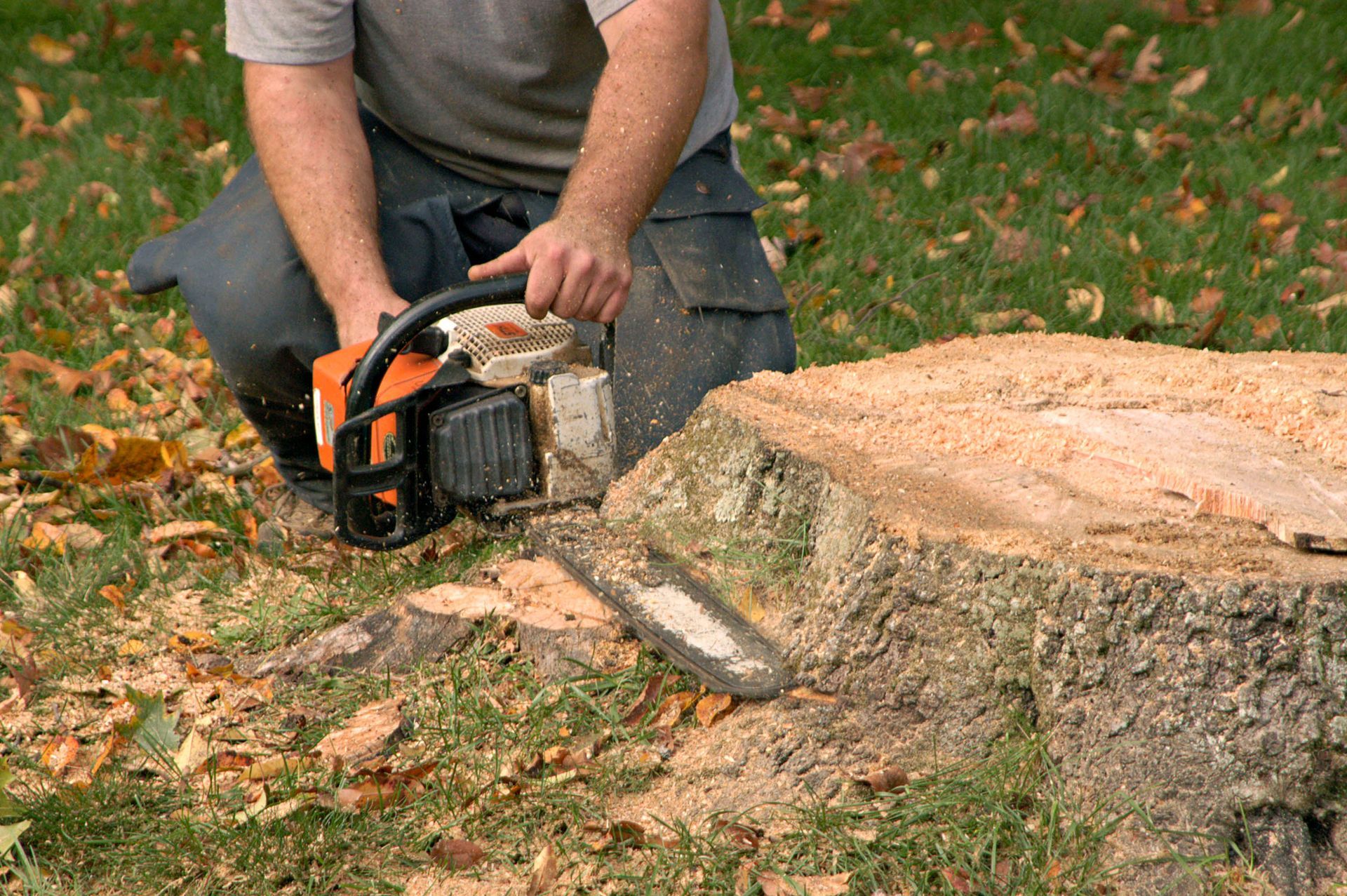
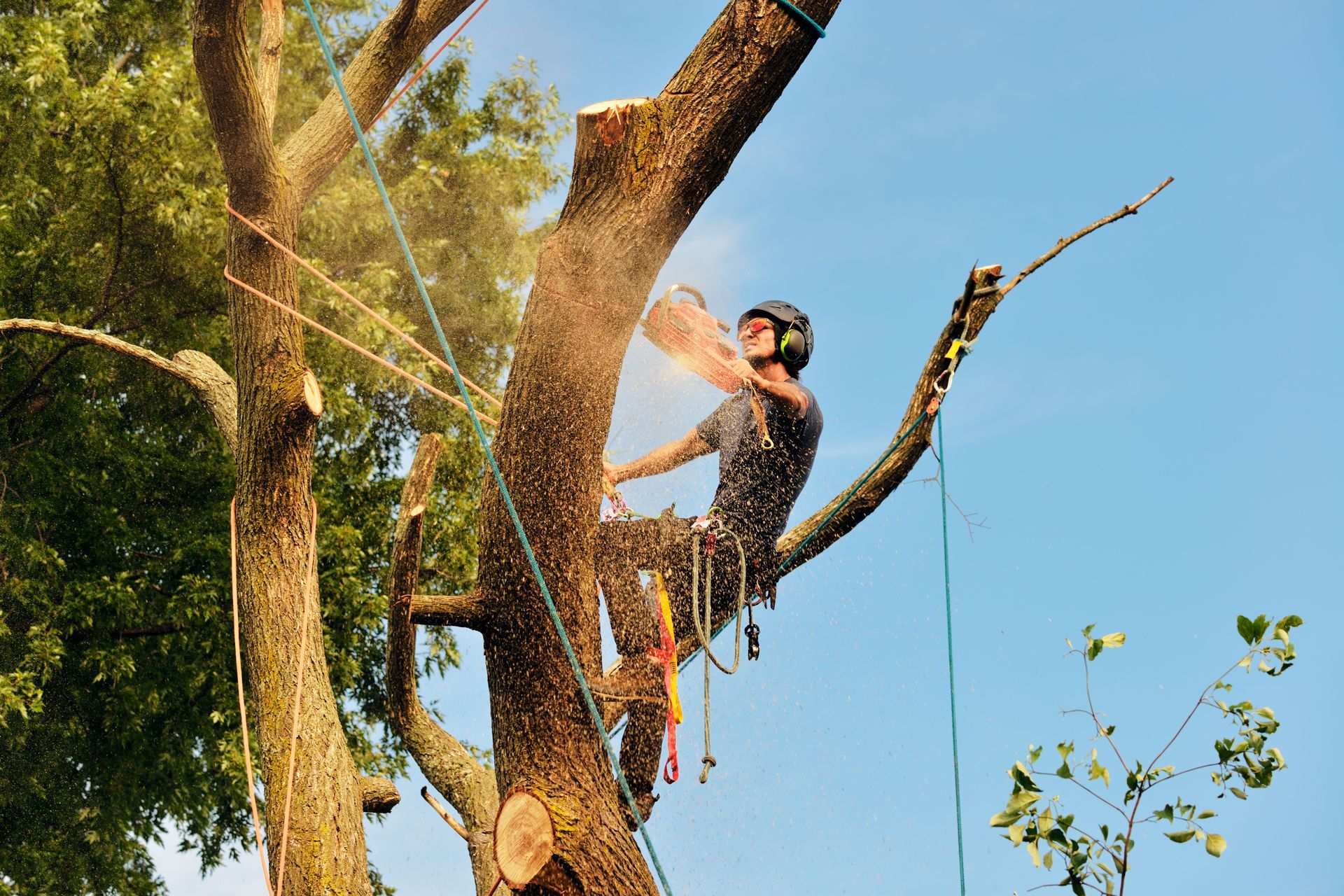
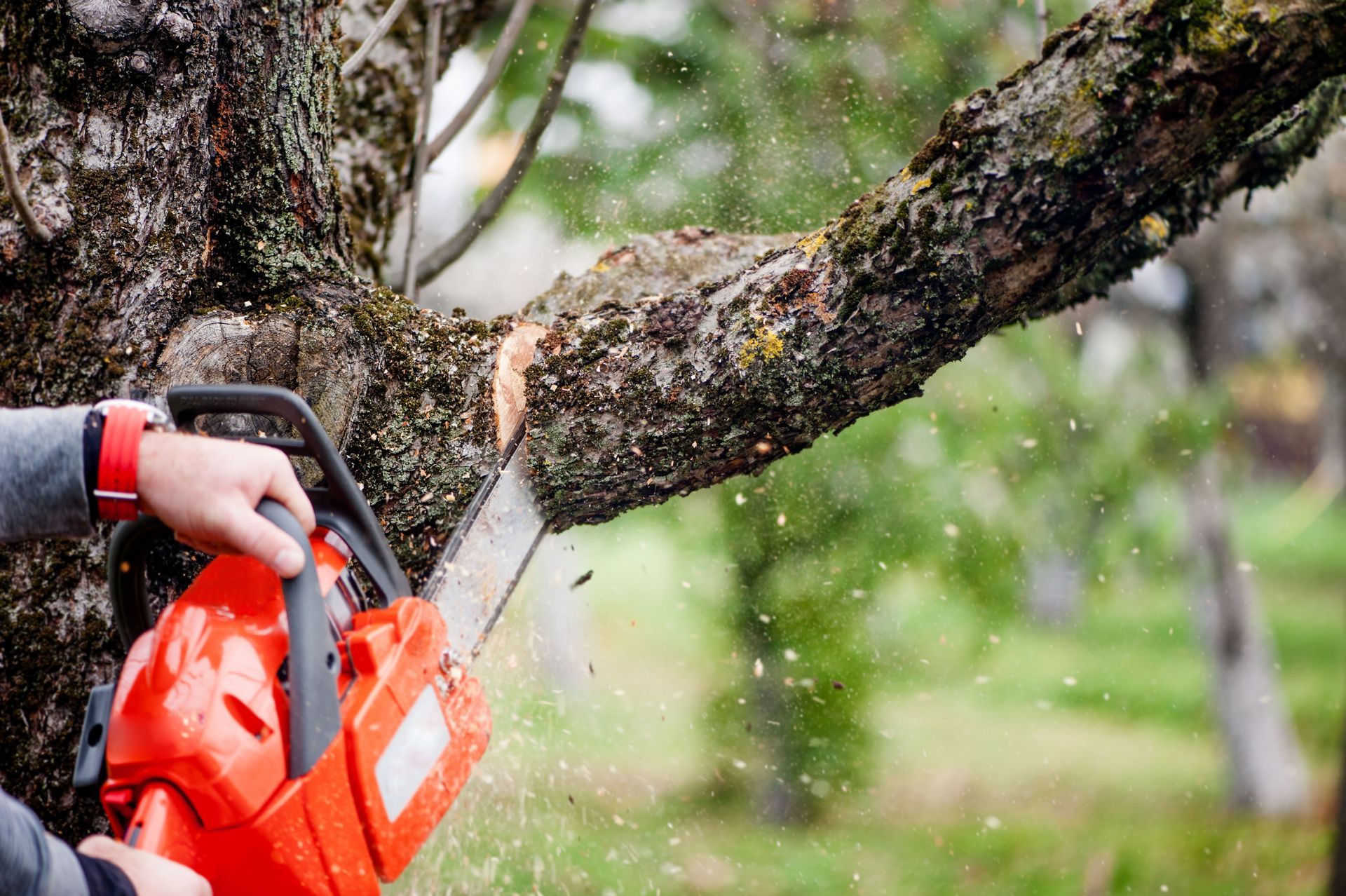
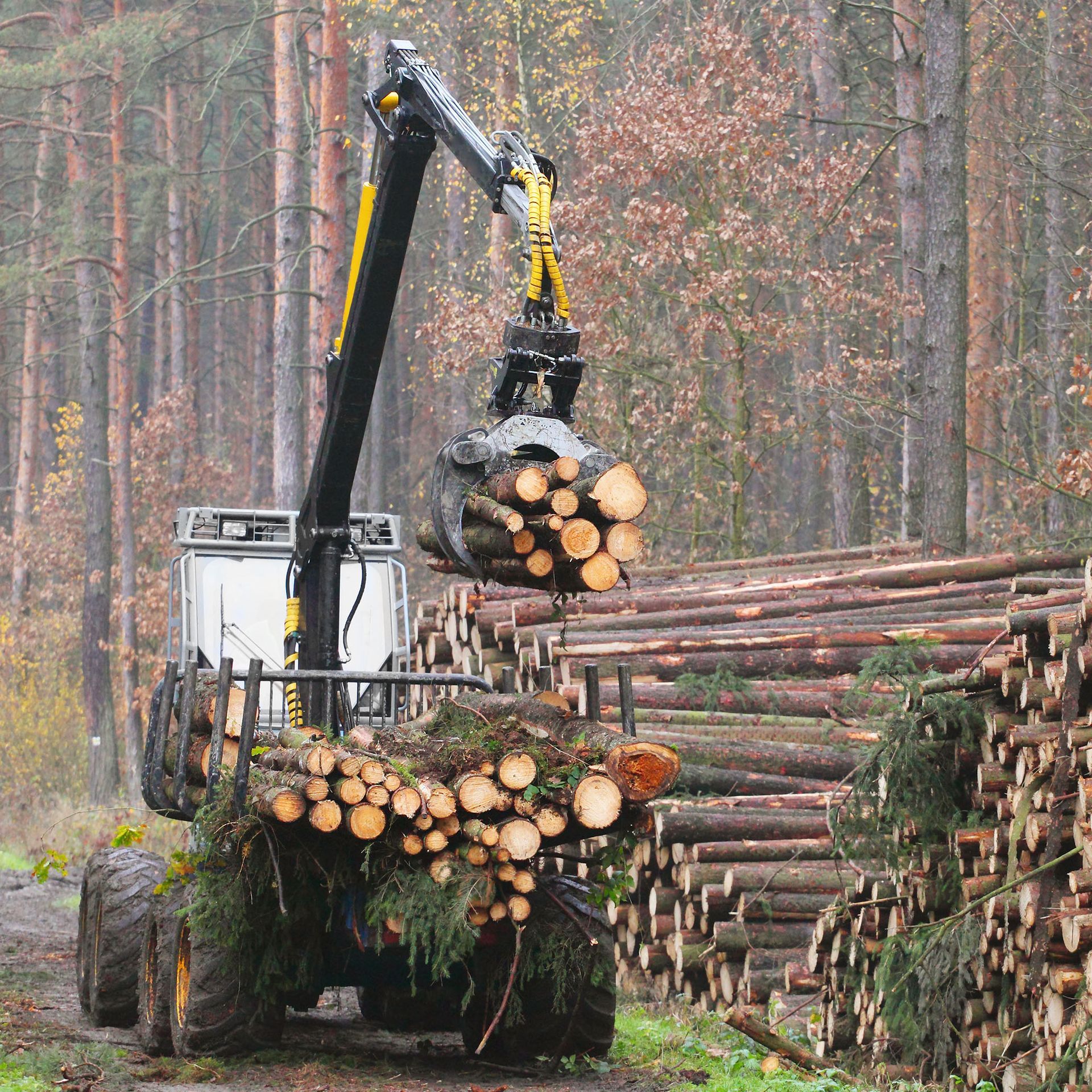
Equipment setup is a thorough task, involving the arrangement and testing of the machinery required to perform the tree removal service. Depending on the specifics of the project, professional crews will employ various tools, ranging from chainsaws to cranes. This selection is influenced by factors such as the size of the tree, site access, and anticipated challenges during removal. Organizing and calibrating these machines ensures they operate efficiently, optimizing the systematic deconstruction of the tree. Additionally, operators are usually certified, ensuring safety standards while employing such heavy-duty machinery.
Setting up equipment also involves ensuring the safety of both operators and the surrounding environment. Professionals implement strict guidelines to ensure that all equipment functions at peak performance without posing risks. They often rely on routine checks and contingency tools to tackle possible equipment failures while maintaining operational continuity. Furthermore, ergonomic and safety training sessions among crew members aim to improve handling competencies and correct usage patterns. These precautions reflect the emphasis on safety as a primary focus within the equipment setup phase, which prioritizes both the structure of operations and health of personnel.
Professional tree removal service combines careful planning, skilled execution, and environmental awareness to deliver safe and effective results. From assessment to cleanup, each step is essential for minimizing risk and protecting property. By trusting experienced professionals, homeowners and businesses can maintain healthy landscapes while ensuring safety, compliance, and long-term sustainability. Contact Barber's Tree Service LLC for more information today.